Topaz Identification: Understanding Colors, Hardness, and Varieties
Have you ever held a brilliant, golden gemstone and wondered if it was a true Imperial Topaz or simply a polished citrine? You're not alone. Topaz is one of the most misunderstood gemstones in the world, often confused with quartz or even glass. Yet, this remarkable mineral possesses a unique set of physical properties—from its exceptional hardness to its startling range of natural colors—that make it a favorite among collectors and jewelers alike.
Identifying genuine topaz is an essential skill for any gem enthusiast. Whether you're inspecting a family heirloom or hunting for treasures at a mineral show, understanding how to recognize the signatures of real topaz will help you navigate the market with confidence.
The Core Characteristics: Hardness and Density
The first step in any identification guide is understanding the fundamental physical properties of the mineral. Topaz is an aluminosilicate mineral containing fluorine and hydroxyl group.
- Exceptional Hardness: Topaz ranks 8 on the Mohs scale of minerals. This makes it one of the hardest common minerals, significantly tougher than quartz (7) but softer than corundum (9) and diamond (10). A real topaz can easily scratch a piece of glass or a common steel nail.
- Perfect Cleavage: Despite its hardness, topaz has perfect basal cleavage. This means it can split easily if struck at a certain angle. While it is scratch-resistant, it is also somewhat brittle, requiring careful handling.
- High Specific Gravity: Topaz is a dense stone. If you hold a topaz and a citrine (quartz) of the same size, the topaz will feel noticeably heavier. Its specific gravity ranges from 3.4 to 3.6, making it a "heavy" gemstone for its volume.
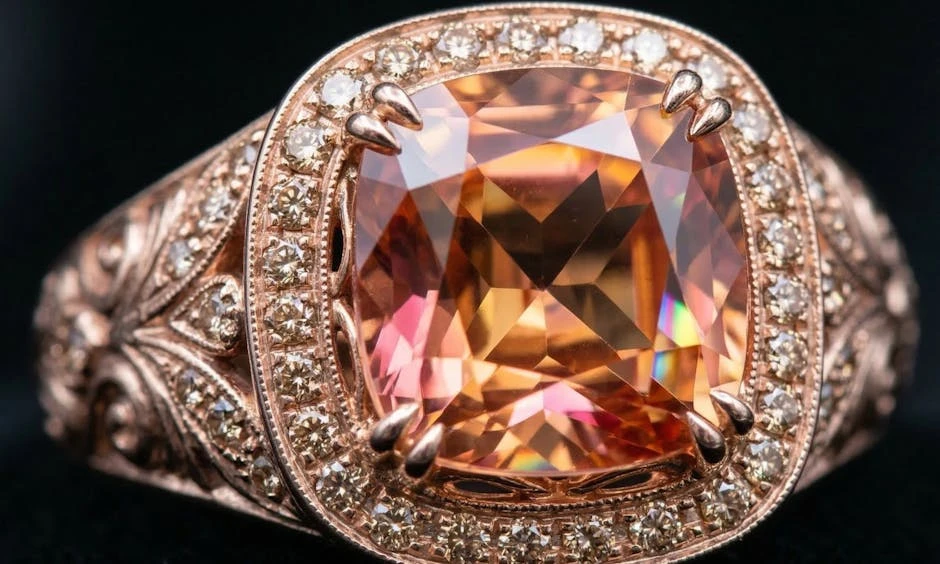
Topaz Color Varieties: From Imperial to London Blue
Natural topaz is frequently colorless (white topaz), but trace elements and structural defects create a kaleidoscope of varieties.
- Imperial Topaz: This is the most coveted variety, exhibiting golden-orange, pink-orange, or deep sherry-red colors. It often commands the highest prices per carat.
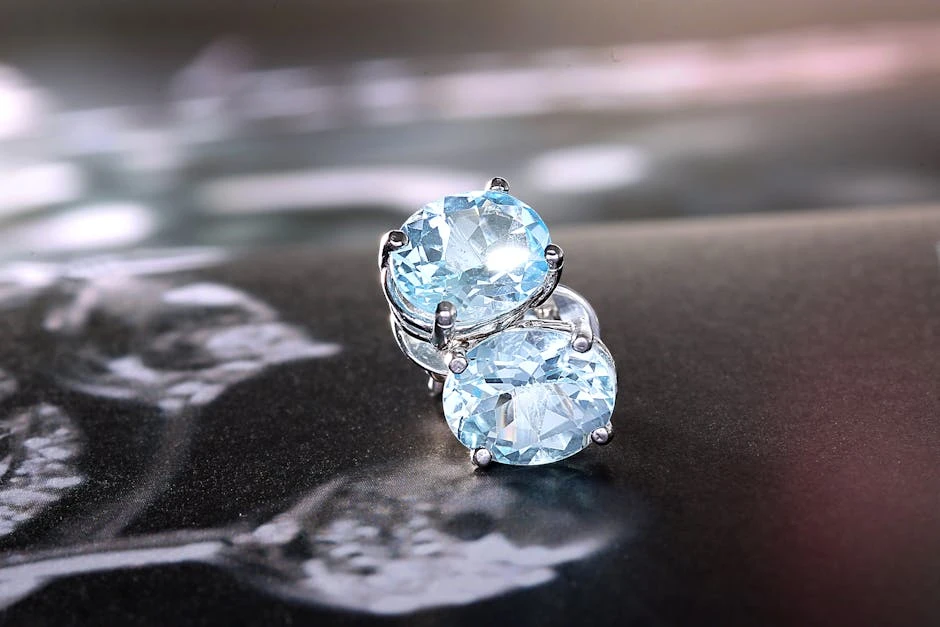
- Blue Topaz: While natural blue topaz exists, it is incredibly rare and usually pale. Most blue topaz on the market today (Sky Blue, Swiss Blue, and London Blue) has been treated with irradiation and heat to achieve its vibrant color.
- Colorless (White) Topaz: Once mistaken for diamond, white topaz is often used as an affordable alternative. It lacks the fire of a diamond but possesses a clean, vitreous luster.
- Pink and Purple Topaz: Naturally occurring pink topaz is rare and valuable, often originating from Ouro Preto, Brazil. Most pink topaz in commercial jewelry is coated colorless topaz.
Topaz vs. Citrine and Smoky Quartz
The most common "lookalikes" for topaz are varieties of quartz, specifically citrine and smoky quartz. Here is how to tell real topaz from quartz:
- Look for Pleochroism: Topaz is pleochroic, meaning it can show different colors or shades when viewed from different angles. If you rotate a yellow topaz, you might see hints of orange or golden-brown. Citrine, being a variety of quartz, does not show this effect.
- The Scratch Test: Topaz (8) will scratch Citrine (7) easily. If your stone cannot scratch a piece of quartz, it is definitely not a topaz.
- Feel the Temperature: Genuine topaz is a good conductor of heat and often feels cooler to the touch than glass or plastic imitations.
Simple At-Home Identification Tests
While a professional gemologist is the only one who can give you 100% certainty, these home tests are great for a first pass:
- Magnification: Use a 10x jeweler's loupe. Natural topaz often has tiny "fluid inclusions" or two-phase inclusions (gas and liquid). Perfectly round air bubbles are a sure sign of glass.
- Visual Inspection: Look for "color zoning"—uneven patches of color within the stone. Natural stones are rarely perfectly uniform.
- The Glossy Shine: Topaz has a vitreous (glass-like) luster. It should shine brightly and feel incredibly smooth, almost "slippery" to the touch.
Topaz varieties and hardness scanner
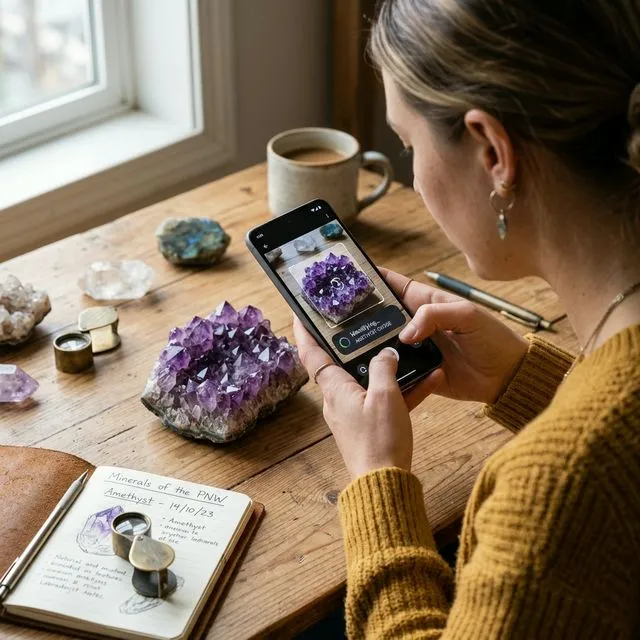
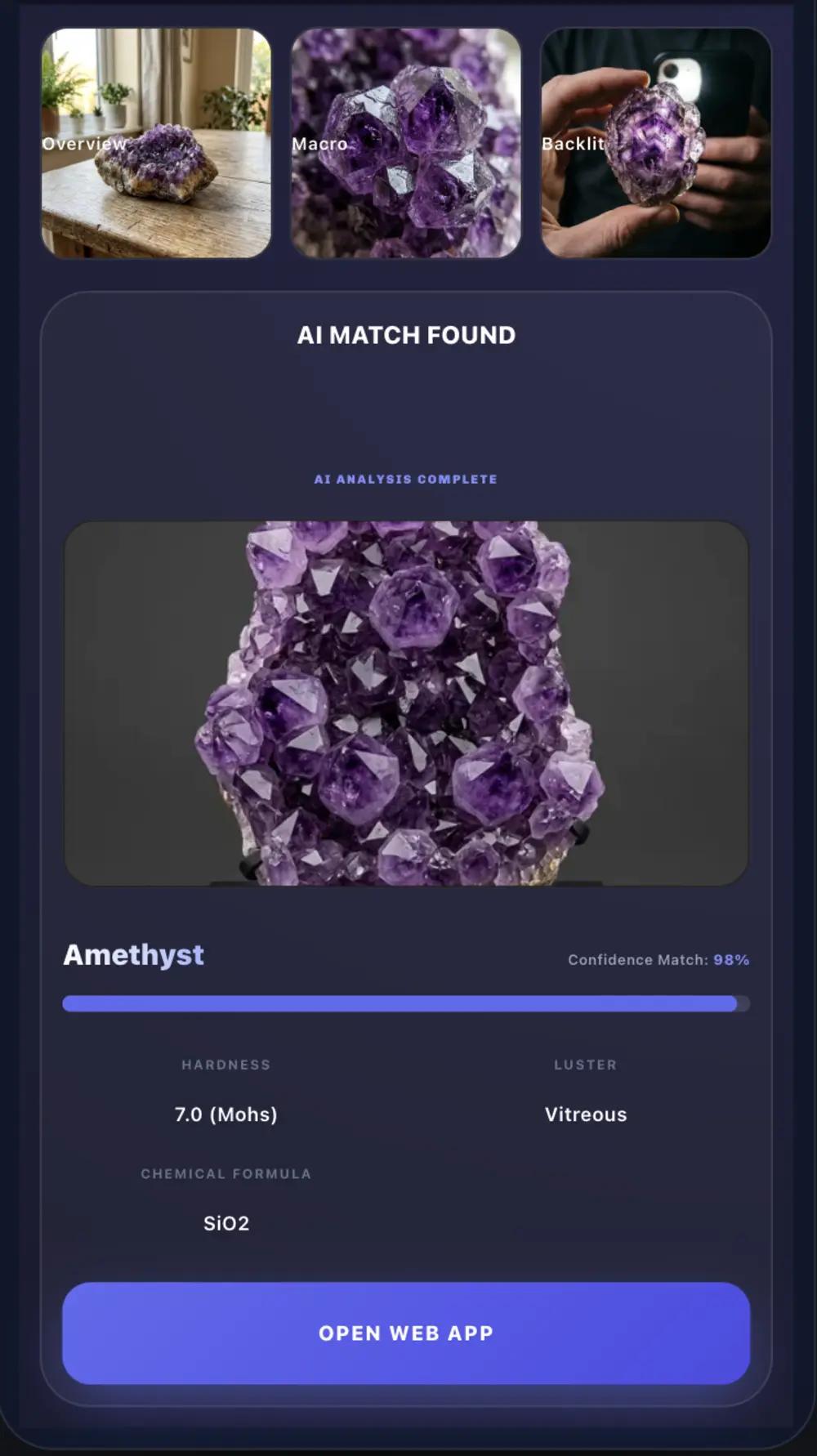
Identifying mineral specimens and gemstones correctly is the foundation of a great collection. If you're building your knowledge or need a quick reference in the field, you can use the topaz varieties and hardness scanner within the Minerals guide app. It features a deep database of physical properties, color variations, and identification tips for over 700 minerals.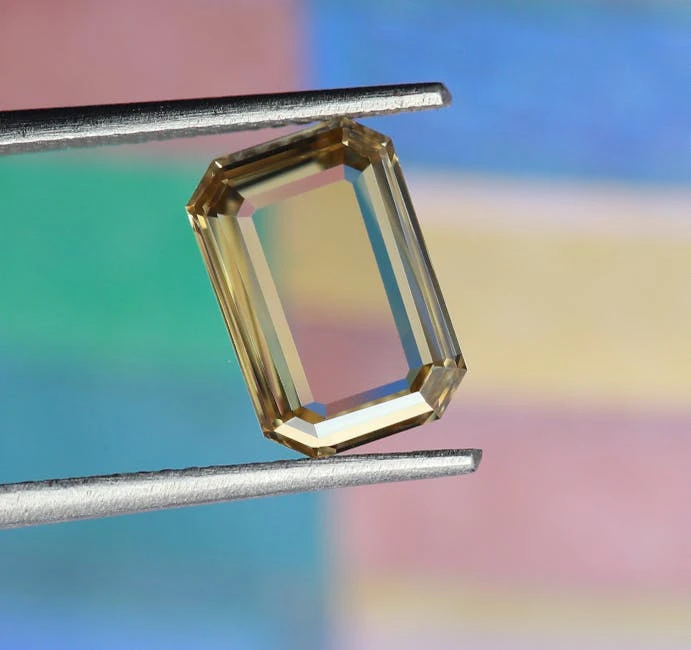
FAQ: Common Questions About Topaz Identification
Does blue topaz occur naturally? Yes, but it is extremely rare and typically very pale. The deep blues seen in most jewelry are the result of irradiation followed by heat treatment.
Is Swiss Blue Topaz "fake"? No, it is real topaz that has undergone a standard industry treatment to enhance its color. It shares all the physical properties of natural topaz (hardness 8, RI 1.61, etc.).
How do I distinguish topaz from sapphire? Sapphire (corundum) is harder (Mohs 9) and denser than topaz. A sapphire will scratch a topaz, but a topaz cannot scratch a sapphire. Also, sapphire has a higher refractive index, making it "sparkle" differently under light.
What is "Sherry Topaz"? Sherry Topaz is named after the color of sherry wine, ranging from yellowish-brown to brownish-orange. It is a highly valued natural variety that often lacks the treatments seen in blue topaz.
See Also: More Gemstone Guides
Compare different minerals and learn identification secrets:
- Sapphire Authenticity Test – How to tell blue topaz from sapphire.
- Real Citrine vs. Heat-Treated Amethyst – Topaz is often confused with citrine; learn local differences.
- Is Your Amethyst Real? – Exploring the world of crystalline quartz.
- How to Identify Minerals (Master Guide) – Master our professional 3-photo workflow.
Available in other languages
- enTopaz Identification: Understanding Colors, Hardness, and Varieties
- ru Определение топаза: цвета, твердость и разновидности
- es Identificación del Topacio: Colores, Dureza y Variedades
- fr Identification de la Topaze : Couleurs, Dureté et Variétés
- de Topas Identifizierung: Farben, Härte und Sorten verstehen
- it Identificazione del Topazio: Colori, Durezza e Varietà
- pt Identificação de Topázio: Cores, Dureza e Variedades
- pl Identyfikacja Topazu: Kolory, Twardość i Odmiany
- uk Визначення топазу: кольори, твердість та різновиди
- tr Topaz Tanımlama: Renkler, Sertlik ve Çeşitleri Anlamak
- sv Identifiering av Topas: Färger, Hårdhet och Varianter
- no Identifisering av Topas: Farger, Hardhet og Varianter
- hi पुखराज (Topaz) की पहचान: रंग, कठोरता और किस्मों को समझना
- id Identifikasi Topas: Memahami Warna, Kekerasan, dan Varietas
Frequently Asked Questions
How can I tell if a topaz is real or glass?
Check the hardness and temperature. Topaz (Mohs 8) will easily scratch glass, while glass cannot scratch topaz. Also, topaz is a good conductor of heat and feels cold to the touch. Under a 10x loop, look for small inclusions; perfectly round air bubbles are a sure sign of glass.
Is blue topaz a natural stone?
Natural blue topaz does exist but it is extremely rare and very pale. Most blue topaz on the market is natural colorless topaz that has been irradiated and heat-treated to achieve its color. These treatments are industry-standard and accepted.
How do I distinguish between topaz and citrine?
Topaz is heavier and harder than citrine (quartz). Topaz exhibits pleochroism (shows different colors from different angles), whereas citrine does not. A scratch test is definitive: topaz (8) will scratch citrine (7) effortlessly.
What is the most valuable variety of topaz?
Imperial Topaz is the most valuable. It comes in golden-pink to reddish-orange tones. Un-treated, natural stones of these colors are exceptionally rare and reach the highest prices.
Can topaz be identified by its cleavage?
Yes, topaz has perfect basal cleavage. While this makes the stone somewhat brittle, a visible, flat cleavage plane can be a diagnostic feature for identifying rough specimens.