Is Your Amethyst Real? Identifying Natural Purple Quartz
Did you inherit a vibrant purple cluster from a relative, or perhaps you found a "bargain" at a local crystal shop? Amethyst is one of the most beloved gemstones in the world, but its popularity has led to a flood of convincing fakes made from dyed glass, synthetic quartz, or even treated plastic.
Knowing how to spot a genuine specimen isn't just about protecting your investment—it's about appreciating the unique geological story told by a stone that took millions of years to grow. Here is how you can identify natural amethyst like a pro.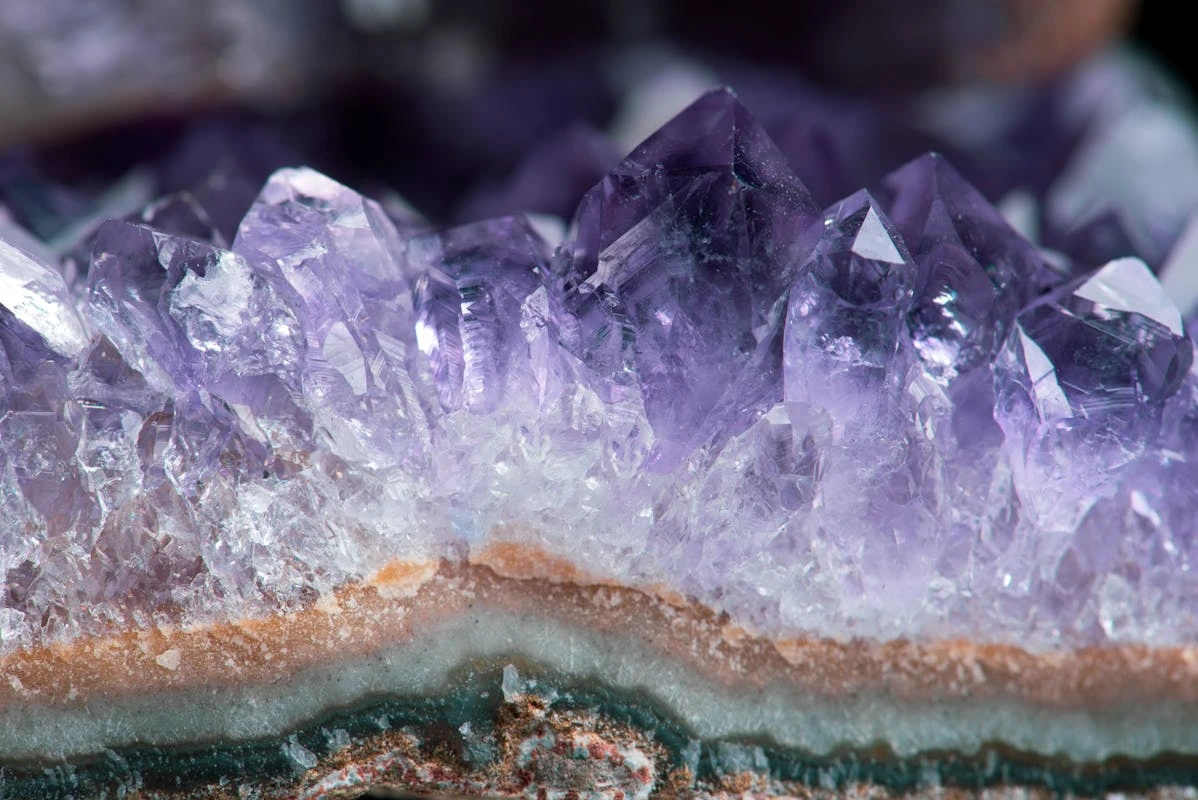
1. Look for Natural Color Zoning
The most common giveaway of a fake amethyst is "perfect" color. In nature, amethyst grows in layers, and the iron that gives it the purple hue isn't always distributed evenly.
If you hold your stone up to the light, you should see color zoning—subtle gradients ranging from pale lavender to deep violet. You might even see bands of white or clear quartz. If the stone is a solid, neon-bright purple with zero variation, it's likely dyed glass or a lab-grown synthetic. On the other hand, if your "amethyst" looks more like a burnt orange, it might actually be heat-treated amethyst sold as citrine.
2. The Bubble Test: Inclusions vs. Air
Because amethyst is a variety of quartz, its crystal structure is dense and natural. Glass imitations are made by melting silica, which often traps tiny, perfectly round air bubbles.
Grab a magnifying glass and look deep into the stone. If you see tiny spheres, it's glass. Real amethyst often has inclusions—tiny "fingerprints," wispy veil-like patterns, or small internal fractures. While we usually want "clear" gems, these internal marks are the birthmarks of a real earth-grown crystal.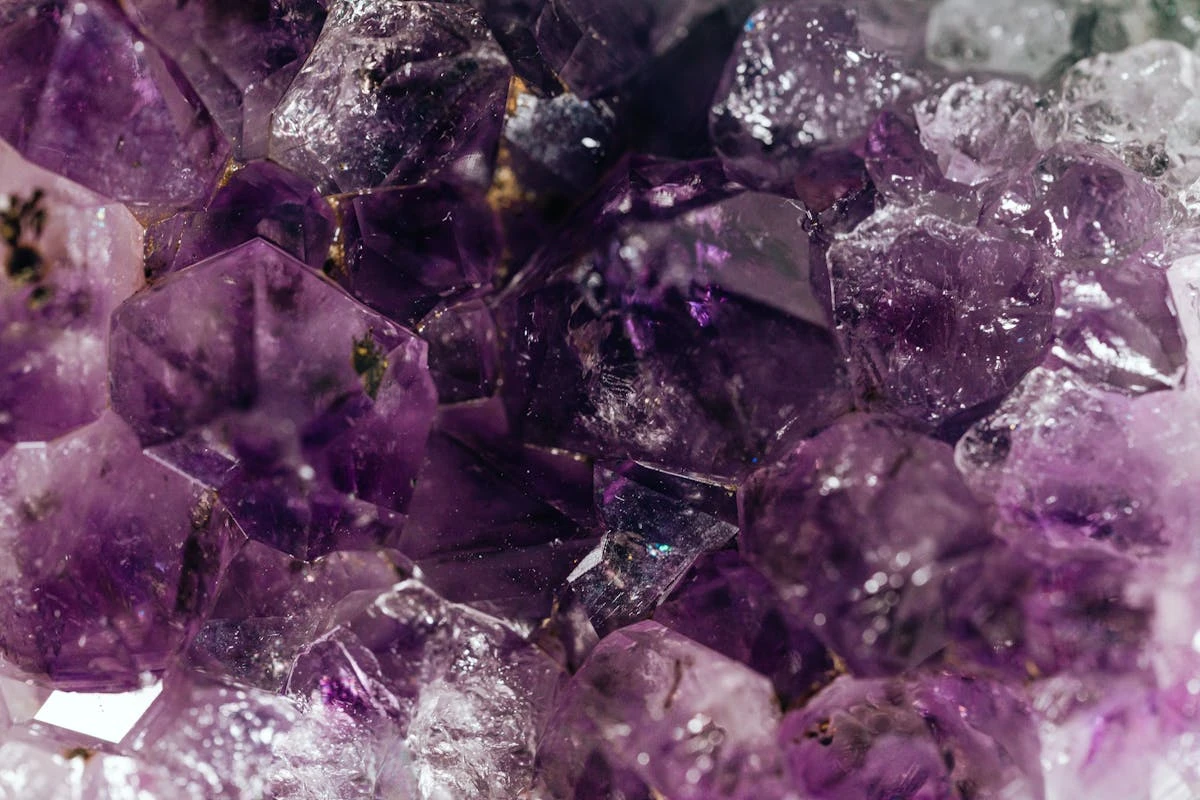
3. Hardness and the Scratch Test
Amethyst is a 7 on the Mohs hardness scale. This means it is harder than glass and steel. A common kitchen knife (which is about a 5 or 6) should not be able to leave a mark on a real amethyst.
However, a real amethyst can scratch a piece of glass. While this "scratch test" is famous, be careful—you don't want to damage a beautiful specimen. Usually, just knowing that a copper penny or a steel nail cannot scratch your stone is enough to rule out many cheap plastic or soft-stone fakes.
4. The Cold Touch of Quartz
Crystals like quartz have high thermal conductivity, meaning they stay cool to the touch even in a warm room. If you press a real amethyst against your forehead or the tip of your nose, it will feel strikingly cold.
Glass and plastic, on the other hand, tend to warm up quickly to room temperature. If the stone feels lukewarm or "room temp" almost immediately, it’s a red flag.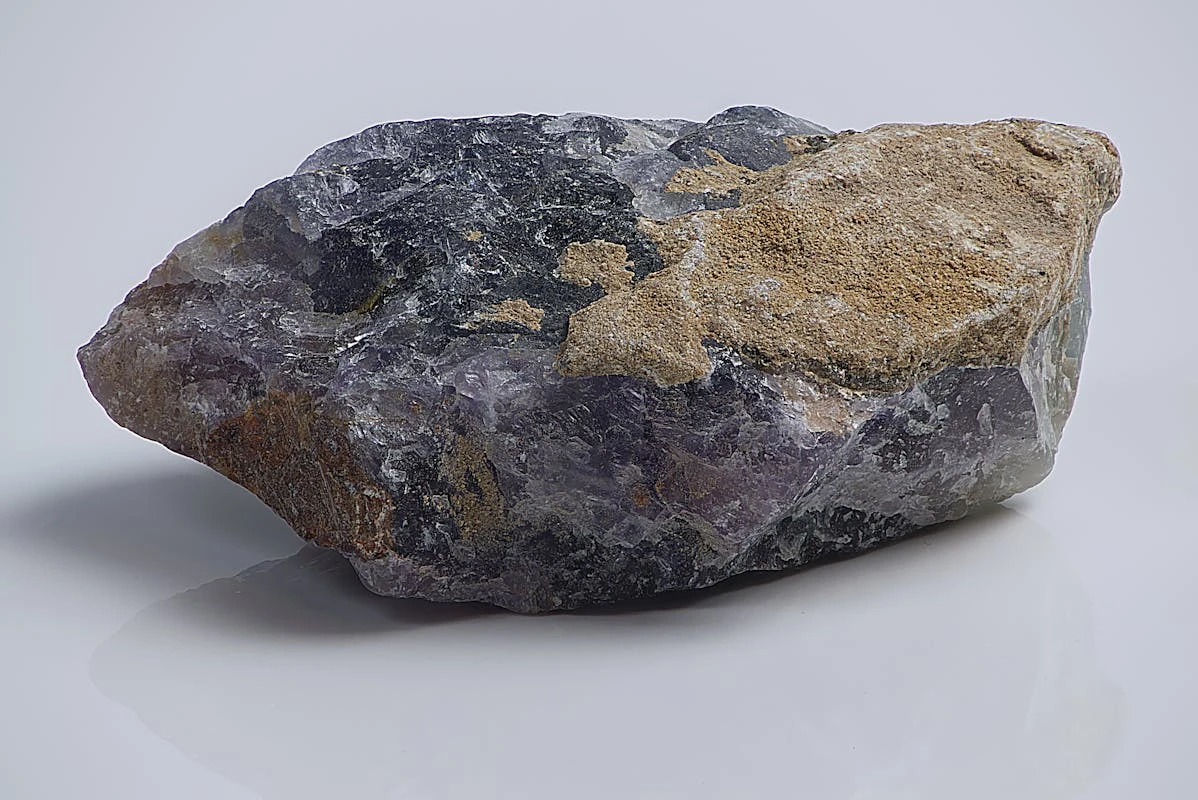
Identify Your Gemstone Instantly
Still not sure about your find? The world of mineralogy is vast, and many stones can look surprisingly similar to the untrained eye. For a definitive check, you can use specialized recognition tools.
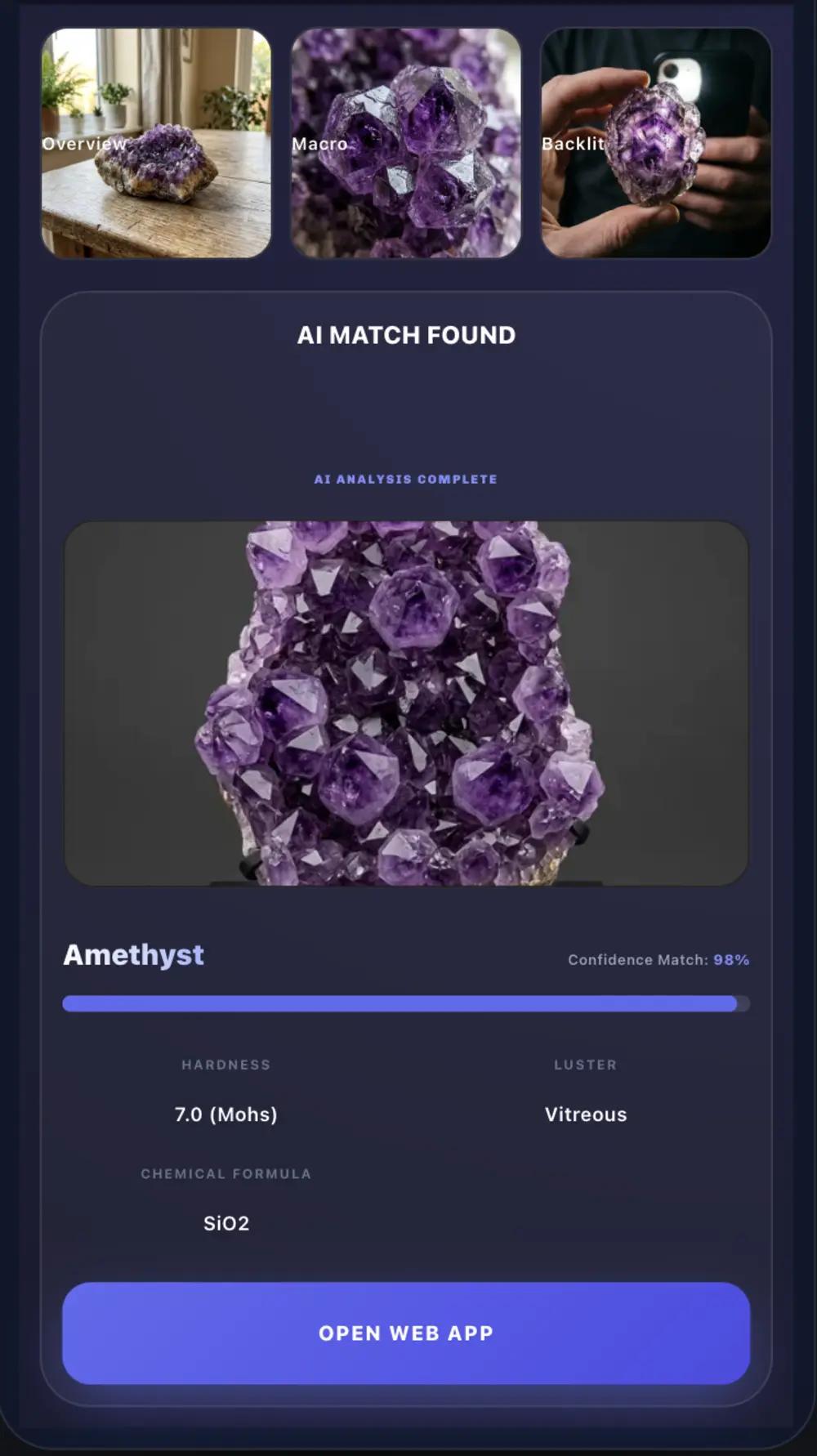
If you want to verify your crystals, check out our Minerals Guide. It's the perfect identify raw amethyst crystal by photo app that helps you distinguish between natural gems and common imitations using your smartphone camera.

Frequently Asked Questions
Can real amethyst be very light in color?
Yes. Amethyst ranges from extremely pale lavender (sometimes called "Rose de France") to deep, royal purple. Light color does not mean it is fake, but it should still show some color zoning and lack bubbles.
Is synthetic amethyst "fake"?
Chemically, synthetic amethyst is quartz, but it was grown in a lab rather than in the earth. It is often more perfect and harder to identify without professional equipment like a spectroscope.
Does amethyst fade in the sun?
Yes, prolonged exposure to direct sunlight can cause the purple color of amethyst to fade over time. It is best to keep your crystals away from windowsills with intense sun.
See Also: More Gemstone Guides
Expand your collection and knowledge with our identification series:
- Real Citrine vs. Heat-Treated Amethyst – How to tell the difference between natural and "baked" quartz.
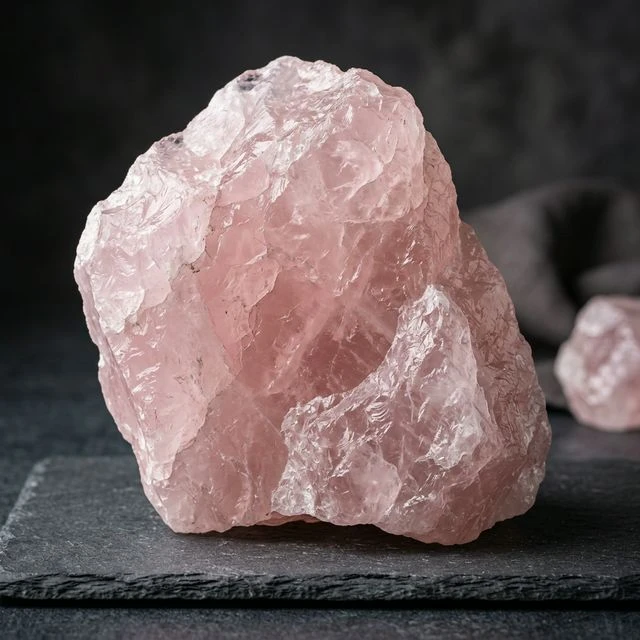
- Rose Quartz Properties & Inclusions – Identifying the stone of heart.
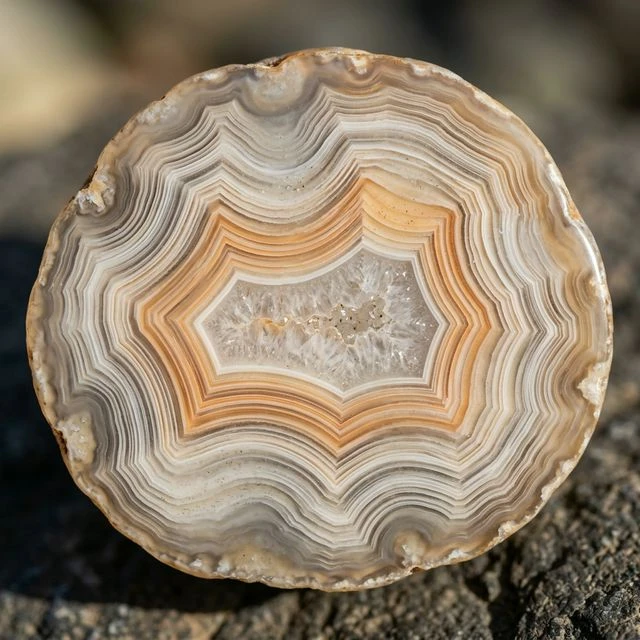
- Agate Identification Tips – Spotting the unique banding of real agate.
- How to Identify Minerals (Master Guide) – Our step-by-step 3-photo method for all stones.
Available in other languages
- enIs Your Amethyst Real? Identifying Natural Purple Quartz
- ru Как отличить настоящий аметист от подделки: полный гид
- es Cómo saber si una amatista es real: Identificación de cuarzo púrpura
- fr Comment reconnaître une vraie améthyste : identifier le quartz violet
- de Echten Amethyst erkennen: Natürlichen lila Quarz identifizieren
- it Come riconoscere l'ametista vera: identificare il quarzo viola naturale
- pt Como identificar ametista verdadeira: identificando quartzo roxo natural
- pl Jak rozpoznać prawdziwy ametyst: identyfikacja naturalnego kwarcu
- uk Як відрізнити справжній аметист від підробки: ідентифікація кварцу
- tr Gerçek Ametist Nasıl Anlaşılır: Doğal Mor Kuvars Tanımlama
- sv Hur man ser om ametist är äkta: Identifiera naturlig lila kvarts
- no Hvordan se om ametyst er ekte: Identifiser naturlig lilla kvarts
- hi असली नीलम की पहचान कैसे करें: प्राकृतिक बैंगनी क्वार्ट्ज गाइड
- id Cara Membedakan Batu Kecubung Asli: Identifikasi Kuarsa Ungu Alami