Emerald Clarity Guide: Identifying Inclusions and Synthetic Stones
Emeralds are among the most captivating gemstones on Earth, yet they are rarely "perfect" in the traditional sense. Unlike diamonds, where clarity is often measured by the absence of internal features, an emerald's personality is defined by its inclusions. These internal markings, affectionately known as the "Jardin" (French for garden), are not just flaws—they are a testament to the stone's natural origin.
Whether you are a collector or a first-time buyer, understanding emerald clarity is essential for identifying natural stones and distinguishing them from lab-grown synthetics.
What is Emerald Clarity? The Concept of the "Jardin"
In the world of gemology, emeralds are classified as Type III gemstones. This means that they almost always form with inclusions, and their presence is expected and even welcomed. A completely flawless emerald is so rare that it is often viewed with suspicion; it is more likely to be a synthetic or a high-quality imitation.
The "Jardin" refers to the moss-like or foliage-like appearance of the internal features. These can include tiny fractures, liquid pockets, and mineral crystals that were trapped as the emerald grew over millions of years. When judging clarity, gemologists look for how these features affect the stone's transparency and overall beauty.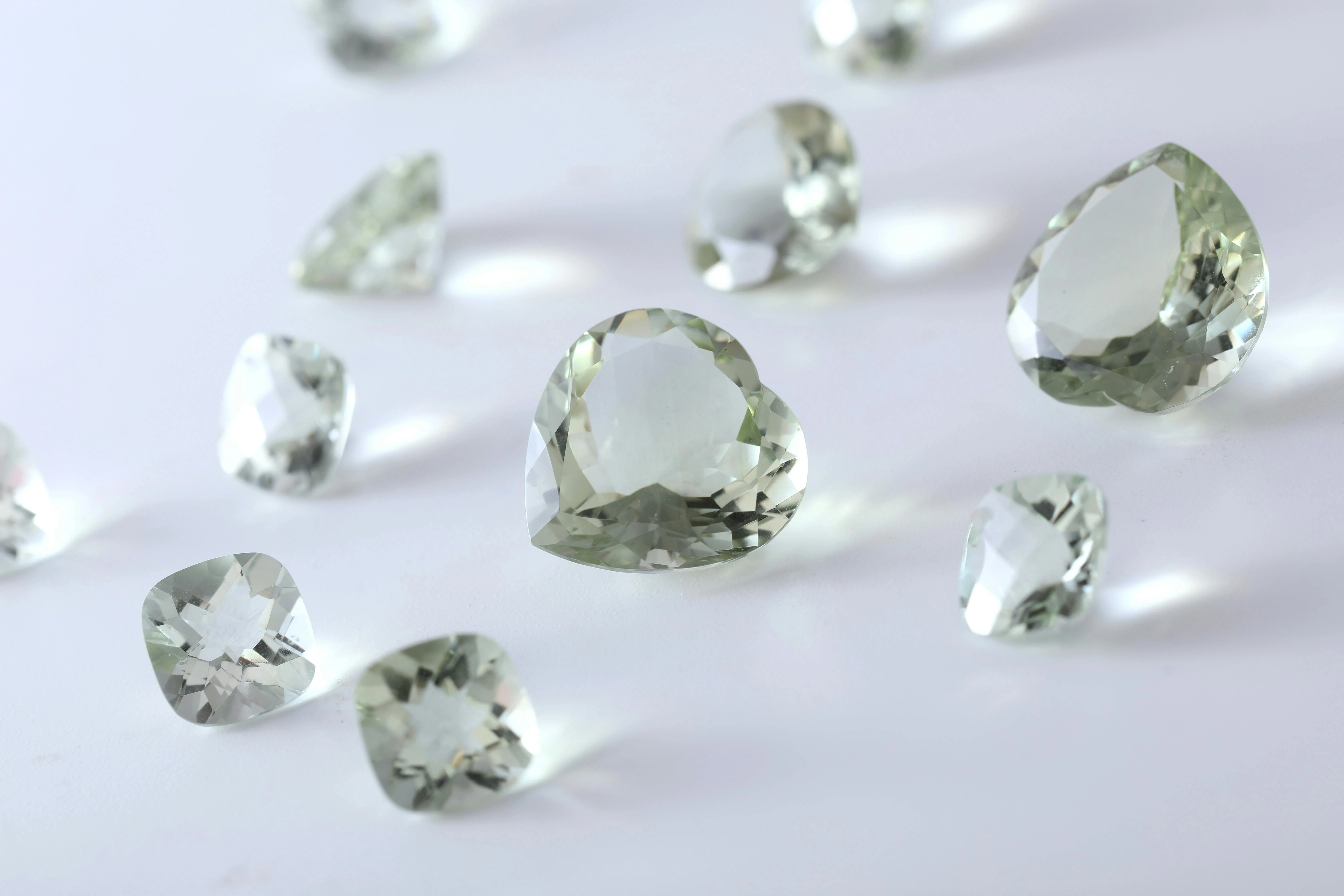
Common Internal Features: Understanding Natural Inclusions
To identify a natural emerald, you must look closely at its internal world. Here are the most common features:
- Three-Phase Inclusions: These are the "holy grail" of natural identification. Typically found in Colombian emeralds, they consist of a tiny cavity containing a liquid, a gas bubble, and a solid crystal (often salt).
- Mineral Crystals: Natural emeralds often trap other minerals during formation, such as pyrite (fool's gold), calcite, or mica.
- Fractures and Fissures: Most emeralds have internal "veins" or fractures. If these reach the surface, they are often treated to improve appearance.
- Fingerprints: These look like human fingerprints under magnification and are formed by tiny droplets of liquid trapped in healed fractures.
For hobbyists and professionals alike, identifying these features is much easier with the right tools. If you're in the field, you can use an emerald clarity and inclusion identifier on your mobile device to quickly reference these patterns.
Natural vs. Synthetic: Spotting the Differences
Synthetic or lab-grown emeralds have the same chemical structure as natural ones, but their growth environment is controlled. This results in different internal "signatures":
- Nailhead Inclusions: Common in hydrothermal synthetics, these look like tiny nails or tapered tubes.
- Chevron or Wavy Growth Patterns: Synthetics often show very regular, repeating growth lines that are never found in nature.
- Flux Remnants: Lab emeralds grown via the flux method may contain "veils" that look like twisted lace or smoke, which are actually remnants of the flux material used in the lab.
- Too Perfect: If a stone is incredibly clean and lacks any of the chaotic "jardin" features, it is a major red flag for a synthetic.
Clarity Enhancements: Why Most Emeralds are Oiled
Because emeralds are naturally fractured, the trade has developed a standard practice of "oiling." Natural oils (like cedarwood oil) or resins are introduced into the surface-reaching fissures to make them less visible and improve the stone's transparency.
- Insignificant to Minor Oiling: This is standard for almost all high-quality emeralds and does not significantly devalue the stone.
- Moderate to Significant: This indicates a stone with many fractures, which may affect its durability and long-term value.
- Resin Treatments: Some modern synthetics use colored resins to hide fractures, which is considered a less desirable treatment than traditional oiling.
Buying Tips: How to Judge Clarity Yourself
When shopping for an emerald, remember these rules:
- Eye-Clean is the Standard: Unlike diamonds, emeralds are rarely graded under 10x magnification for clarity. If the inclusions don't distract from the beauty of the stone when viewed with the naked eye, the clarity is considered high.
- Avoid "Sleepy" Stones: If an emerald has so many inclusions that it looks cloudy or milky (often called "sleepy"), its value drops significantly.
- Check for Durability: Avoid stones where large fractures reach the corners or surface, as these are more prone to chipping or breaking.
- Ask for a Certificate: For significant purchases, always request a report from a reputable lab (like GIA or IGI) that specifies the level of clarity enhancement.
By understanding the unique "jardin" of the emerald, you can appreciate these stones for what they are: miniature masterpieces of nature's chaos.
See Also: More Gemstone Guides
Continue your journey into precious stone identification:
- Sapphire Authenticity Test – How to recognize genuine blue corundum.
- Ruby vs. Spinel Comparison – Distinguishing the "great impostor" from real ruby.
- Opal Types & Patterns – Understanding the play-of-color in precious opal.
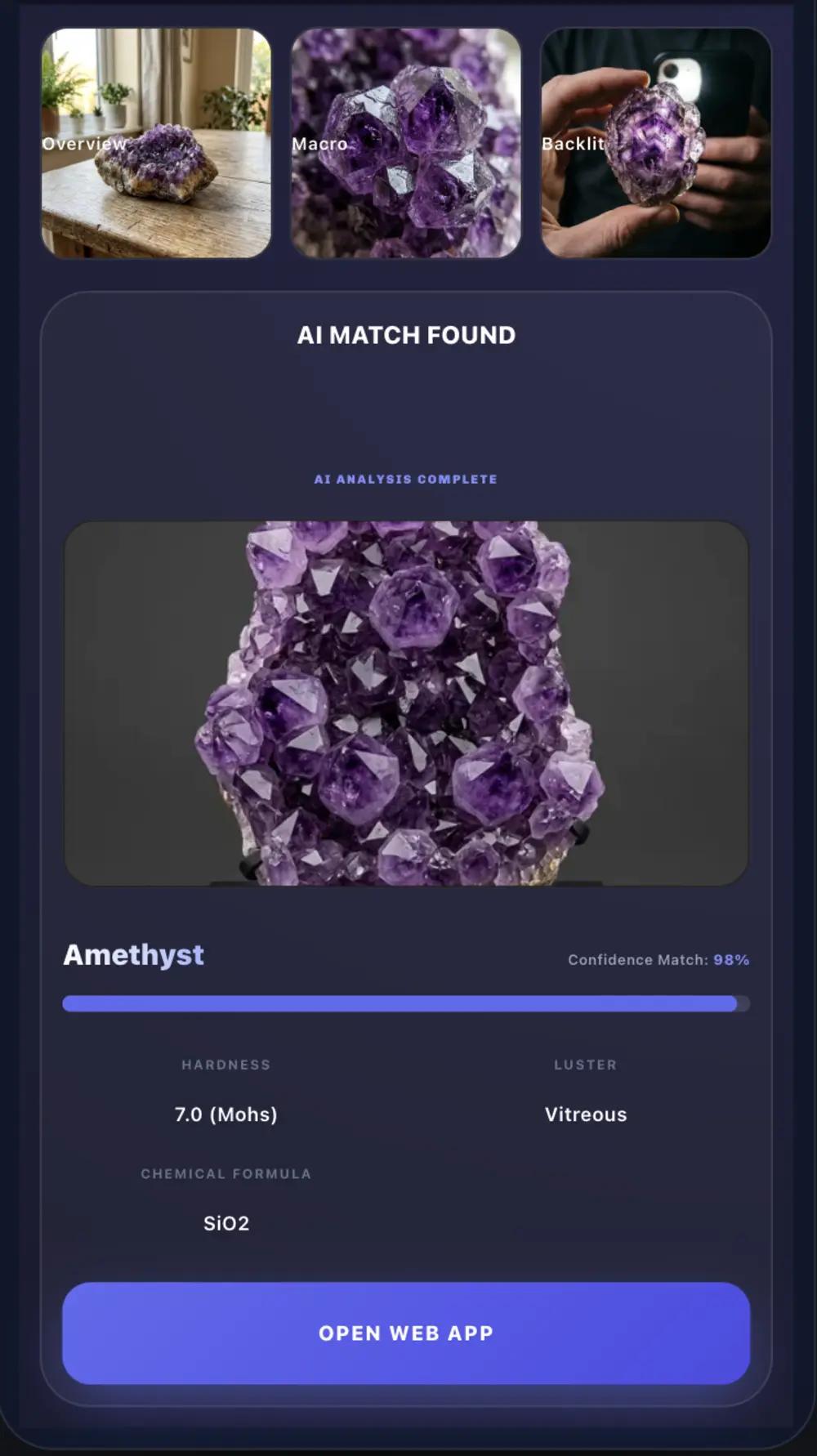
- How to Identify Minerals (Master Guide) – Our 3-photo method for professional results.
Available in other languages
- enEmerald Clarity Guide: Identifying Inclusions and Synthetic Stones
- ru Чистота изумруда: как распознать включения «жардин» и синтетику
- es Guía de Claridad de la Esmeralda: Identificación de Inclusiones y Piedras Sintéticas
- fr Guide de la Pureté de l'Émeraude : Identifier les Inclusions et les Pierres Synthétiques
- de Smaragd-Reinheit: Jardin-Einschlüsse erkennen und Synthesen identifizieren
- it Guia alla Purezza dello Smeraldo: Identificare le Inclusioni e le Pietre Sintetiche
- pt Guia de Clareza da Esmeralda: Identificando Inclusões e Pedras Sintéticas
- pl Przewodnik po czystości szmaragdu: Jak rozpoznać inkluzje „jardin” i syntetyki
- uk Гід по чистоті ізумруду: як розпізнати включення «жардін» та синтетику
- tr Zümrüt Berraklık Rehberi: İnklüzyonları Tanıma ve Sentetik Taşları Ayırt Etme
- sv Smaragd klarhetsguide: Identifiering av inneslutningar och syntetiska stenar
- no Smaragd klarhetsguide: Identifisering av inneslutninger og syntetiske steiner
- hi पन्ना स्पष्टता गाइड: समावेशन और सिंथेटिक पत्थरों की पहचान
- id Panduan Kejernihan Zamrud: Mengidentifikasi Inklusi dan Batu Sintetis