Sapphire Authenticity: How to Recognize Genuine Blue Corundum
Have you ever gazed into the deep, velvety blue of a sapphire and wondered if the beauty you’re seeing is truly a gift from the Earth? You're not alone. As one of the most coveted gemstones in the world, sapphires—the blue variety of the mineral corundum—are frequently imitated or synthesized. Knowing how to tell if a sapphire is real isn't just a matter of curiosity; it’s about protecting your investment.
While nothing beats a certificate from a reputable lab like the GIA, there are several practical ways you can inspect a stone yourself. Whether you’re at a flea market or looking at a family heirloom, these tests will help you separate genuine blue corundum from glass and lab-grown lookalikes.
Initial Visual Inspection: Color and Luster
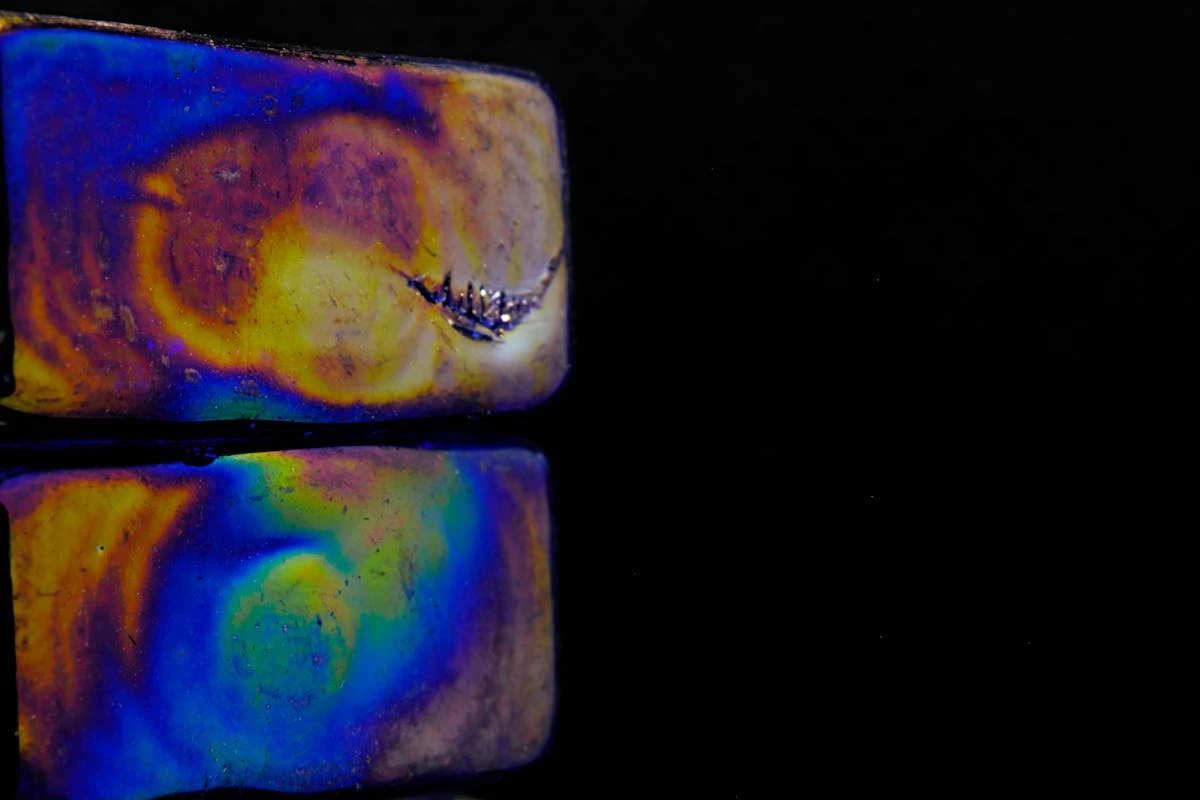
A natural sapphire rarely looks "perfect." When you rotate the stone under a good light source, look for color zoning. Natural sapphires often have uneven color distribution, with streaks or bands of deeper blue. If the color is perfectly uniform from every angle, it might be a synthetic stone or glass.
Luster is another key indicator. Genuine sapphire has a "vitreous" (glass-like) to "sub-adamantine" luster, meaning it should sparkle with a sharp, crisp light. If the stone looks "waxy" or "greasy," it’s likely a different mineral entirely.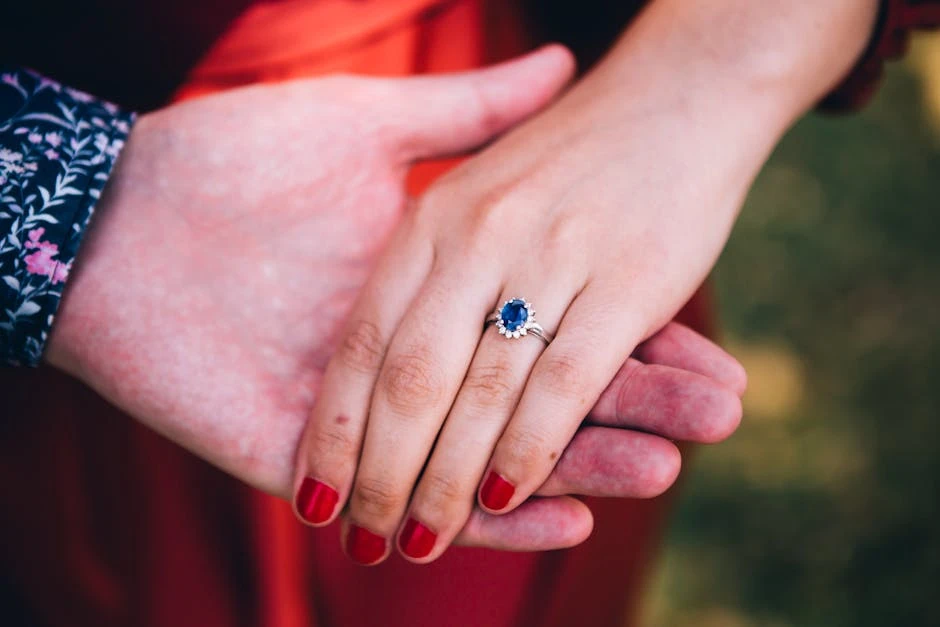
The 10x Loupe Test: Silk vs. Bubbles
To really know how to tell if a sapphire is real or fake, you need a 10x jeweler's loupe. Natural sapphires almost always contain tiny internal inclusions.
- Silk: Look for thin, needle-like inclusions known as "silk" (rutile needles). These are a hallmark of natural growth.
- Air Bubbles: If you see perfectly round tiny bubbles, you are looking at glass or a "flame-fusion" synthetic. Nature doesn't put air bubbles in corundum.
- Feathers: Small, wispy fractures that look like feathers are common in natural stones.
If the stone is absolutely flawless under 10x magnification, be suspicious. While "eye-clean" sapphires exist, complete internal perfection is usually the domain of the laboratory.
Simple At-Home Authenticity Tests
If you don't have a loupe, you can try these quick home tests to identify genuine sapphire:
- The Breath Test: Breathe on the sapphire to fog it up. A real sapphire will clear in 1-2 seconds because it conducts heat well. Glass or plastic will stay fogged for 5 seconds or more.
- The Scratch Test: Sapphire ranks 9 on the Mohs scale. It can easily scratch glass or steel. If a common steel nail leaves a mark on the stone, it is definitely not a sapphire.
- The Water Drop Test: Place a tiny droplet of water on the surface. On a real sapphire, the droplet will maintain its convex shape (like a bead). On many fakes, the water will spread out immediately.
Natural vs. Lab-Grown and Imitations
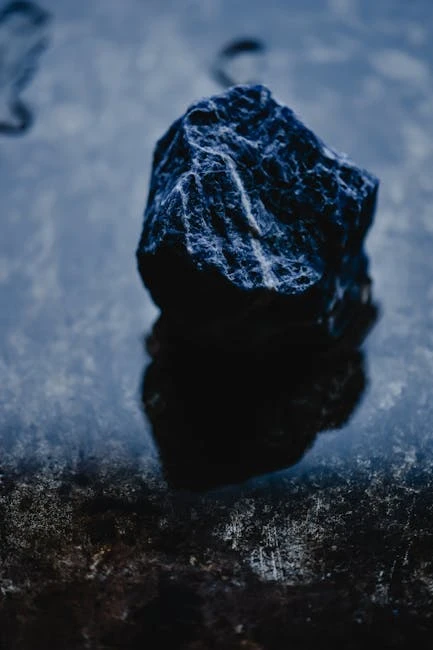
Understanding the difference between natural sapphire vs. lab-grown sapphire is crucial. Lab-grown (synthetic) sapphires have the same chemical composition as natural ones, meaning they pass the breath and scratch tests. However, they lack the natural "silk" inclusions and are often too perfect.
Glass imitations are easier to spot. They often feel warm to the touch (unlike the cool feel of real stone), contain bubbles, and are easily scratched. Composite sapphires (lead-glass filled) are natural but low-quality stones filled with glass to improve clarity; look for a "flash" of blue or orange light when you tilt the stone, which indicates a filling.
Identify Gemstones with Ease
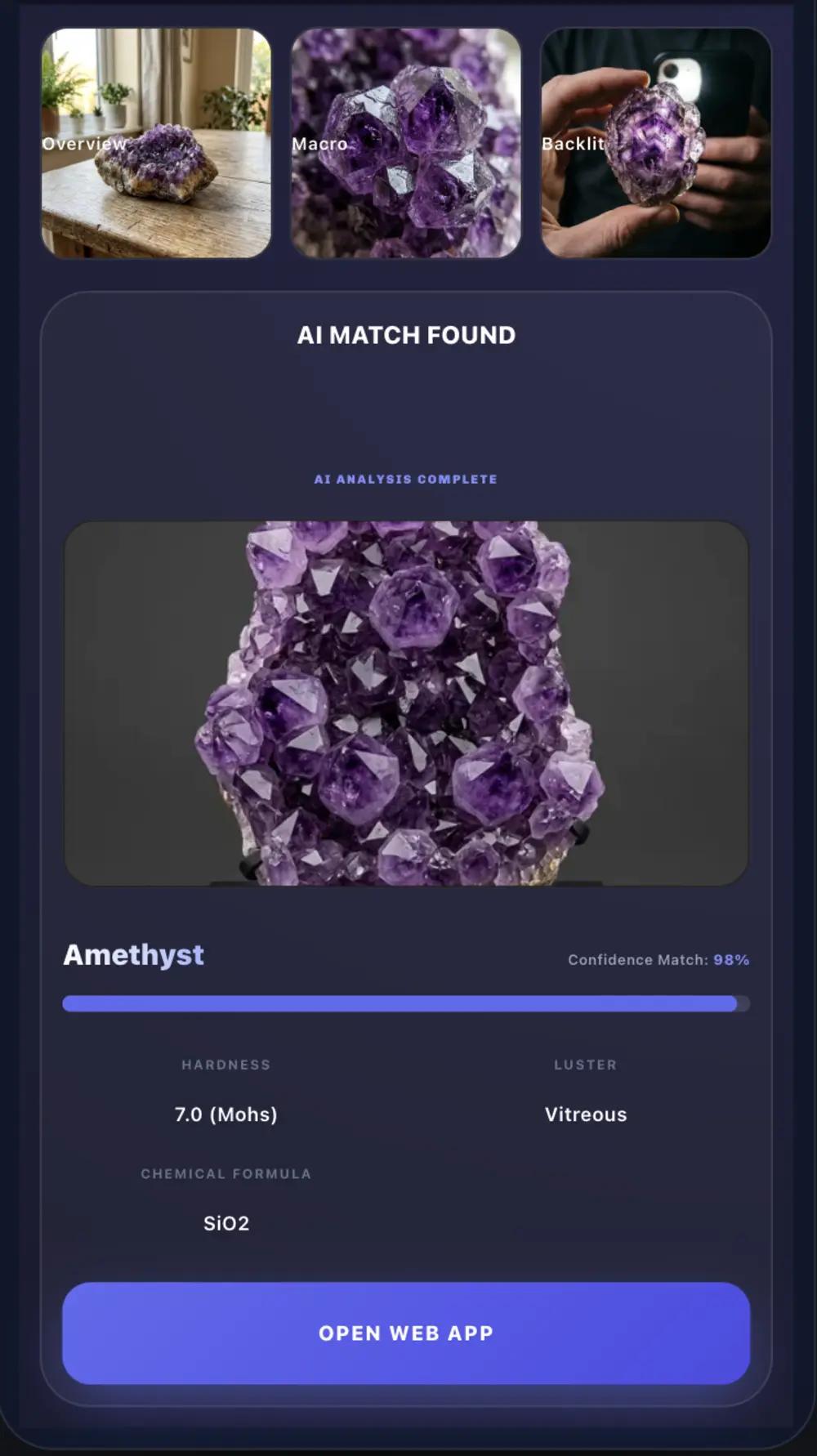
Identifying minerals in the field or at home can be challenging without the right tools. If you're serious about your collection, you can check sapphire authenticity with phone camera using the Minerals guide app. It provides a comprehensive database and visual tools to help you identify hundreds of gemstones and minerals on the go.
When to Consult a Professional
At-home tests are great for a first pass, but they aren't foolproof. A professional gemologist uses a refractometer to measure the Refractive Index (RI)—sapphires consistently hit between 1.76 and 1.78. They can also perform a "specific gravity" test to measure the stone's density.
If you are buying an expensive piece, always insist on a certificate from a recognized gemological laboratory. It’s the only way to be 100% certain that your blue corundum is exactly what it claims to be.
See Also: More Gemstone Guides
Dive deeper into the world of precious stones:
- Ruby vs. Spinel Comparison – Identifying the legendary red gems.
- Emerald Clarity & Inclusions – Spotting the "jardin" in green beryl.
- Tourmaline Color Identification – Exploring the rainbow gemstone.
- How to Identify Minerals (Master Guide) – Our essential 3-photo workflow.
Available in other languages
- enSapphire Authenticity: How to Recognize Genuine Blue Corundum
- ru Подлинность сапфира: как распознать настоящий синий корунд
- es Autenticidad del zafiro: Cómo reconocer el corindón azul genuino
- fr Authenticité du saphir : comment reconnaître le véritable corindon bleu
- de Saphir-Echtheit: Wie man echten blauen Korund erkennt
- it Autenticità dello zaffiro: come riconoscere il vero corindone blu
- pt Autenticidade da Safira: Como reconhecer o genuíno coríndon azul
- pl Autentyczność szafiru: Jak rozpoznać prawdziwy niebieski korund
- uk Справжність сапфіра: Як розпізнати справжній синій корунд
- tr Safir Gerçek mi Nasıl Anlaşılır? Hakiki Mavi Korundumu Tanıma Rehberi
- sv Safir-äkthet: Hur man känner igen äkta blå korund
- no Safir-ekthet: Hvordan gjenkjenne ekte blå korund
- hi असली नीलम की पहचान: असली नीले कोरन्डम को कैसे पहचानें
- id Keaslian Batu Safir: Bagaimana Mengenali Korundum Biru Alami
Frequently Asked Questions
How can I tell if a blue sapphire is natural or lab-grown?
Look at the stone under a 10x loupe: natural sapphires commonly show irregular inclusions (tiny crystals, "silk" rutile needles, fingerprint-like liquid inclusions) and angular or straight growth zoning, while many lab-grown stones show curved growth lines, gas bubbles or unusually clean, regular patterns. These visual clues are helpful but not definitive—a gem lab report (GIA, SSEF, AGL) is the reliable way to confirm origin.
What simple tests can I do at home to check a sapphire?
Use a 10x loupe to inspect inclusions and growth patterns, view the stone from different angles to look for pleochroism (color shifts), and compare color zoning under bright light. Avoid scratch tests. For anything beyond a basic visual check (e.g., detecting diffusion treatment or synthetic origin), seek a professional gemologist or lab.
Are blue sapphires often heat-treated or otherwise enhanced?
Yes—heat treatment to improve color and clarity is extremely common and widely accepted in the trade; other treatments (surface coatings, beryllium diffusion) can also be used and may be permanent or hard-to-detect. Always ask the seller for full disclosure and request a lab report for valuable stones.
What role do inclusions play in identifying authenticity and value?
Inclusions can indicate natural formation (rutile "silk", mineral crystals, liquid fingerprints) and sometimes increase rarity (e.g., oriented rutile producing asterism in star sapphires). Very clean stones may be synthetic or heavily treated; inclusion type and pattern are diagnostic under magnification and help gem labs determine natural vs. synthetic and whether treatments were applied.
When should I ask for a professional certificate and which labs are trustworthy?
If the sapphire is a significant purchase (pricey, investment, heirloom) always request an independent certificate that states origin and treatments. Reputable labs include GIA, SSEF, AGL/Swiss, and GRS. For lower-cost items a seller's disclosure may suffice, but for high-value pieces a full lab report is recommended.