Yellow, Transparent and Color-Changing Minerals: A Complete Identification Guide
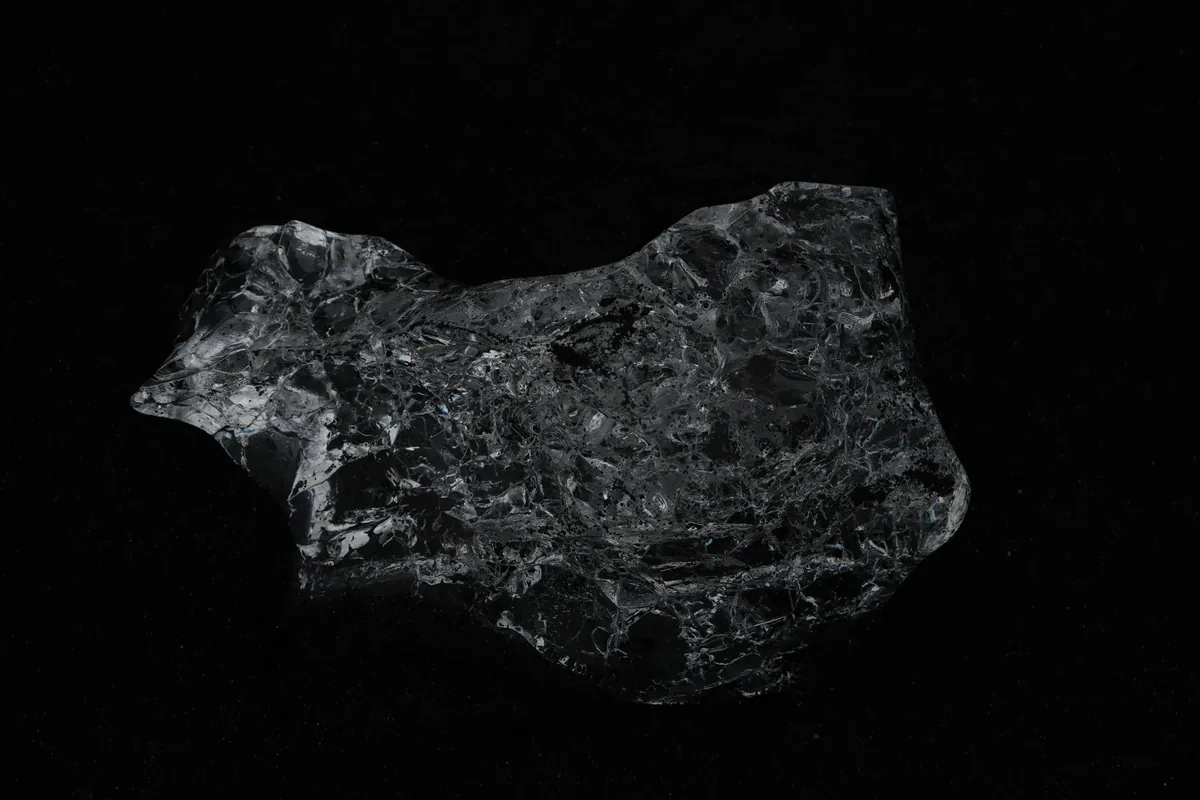
Color is often the first thing we notice when we pick up a stone. It’s also the primary trap that beginners fall into. In the world of gemology, color can be incredibly deceptive. A transparent yellow crystal could be anything from common quartz to priceless heliodor, and a nondescript brown pebble might suddenly flash with crimson fire under the evening sun.
My name is Nikolay Vlasov, and I have been studying minerals for over 5 years. Today, we’re going to dive into one of the most complex and exciting topics: identifying yellow and "chameleon-like" minerals. We’ll learn how to distinguish them not just by sight, but through simple tests you can perform even at home.
The "Golden Glow" Group: Yellow and Transparent Minerals
Citrine: Solar Quartz
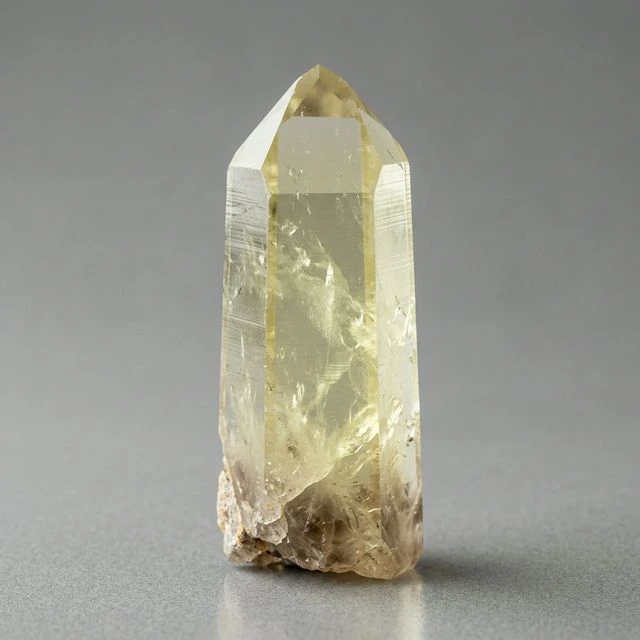
Citrine is the most common guest in jewelry shops and is a variety of quartz. It is hard (7 on the Mohs scale, scratches glass), transparent, and has a vitreous (glassy) luster.
A Critical Note: Natural citrine is actually quite rare. Most of what is sold under this name is "burnt" amethyst. How can you tell? Natural citrine usually has a pale, lemony tint and slight dichroism (the color changes slightly when viewed from different angles). Heat-treated amethyst betrays itself with a bright orange, almost "scorched" color and a white, opaque zone at the base of the crystal.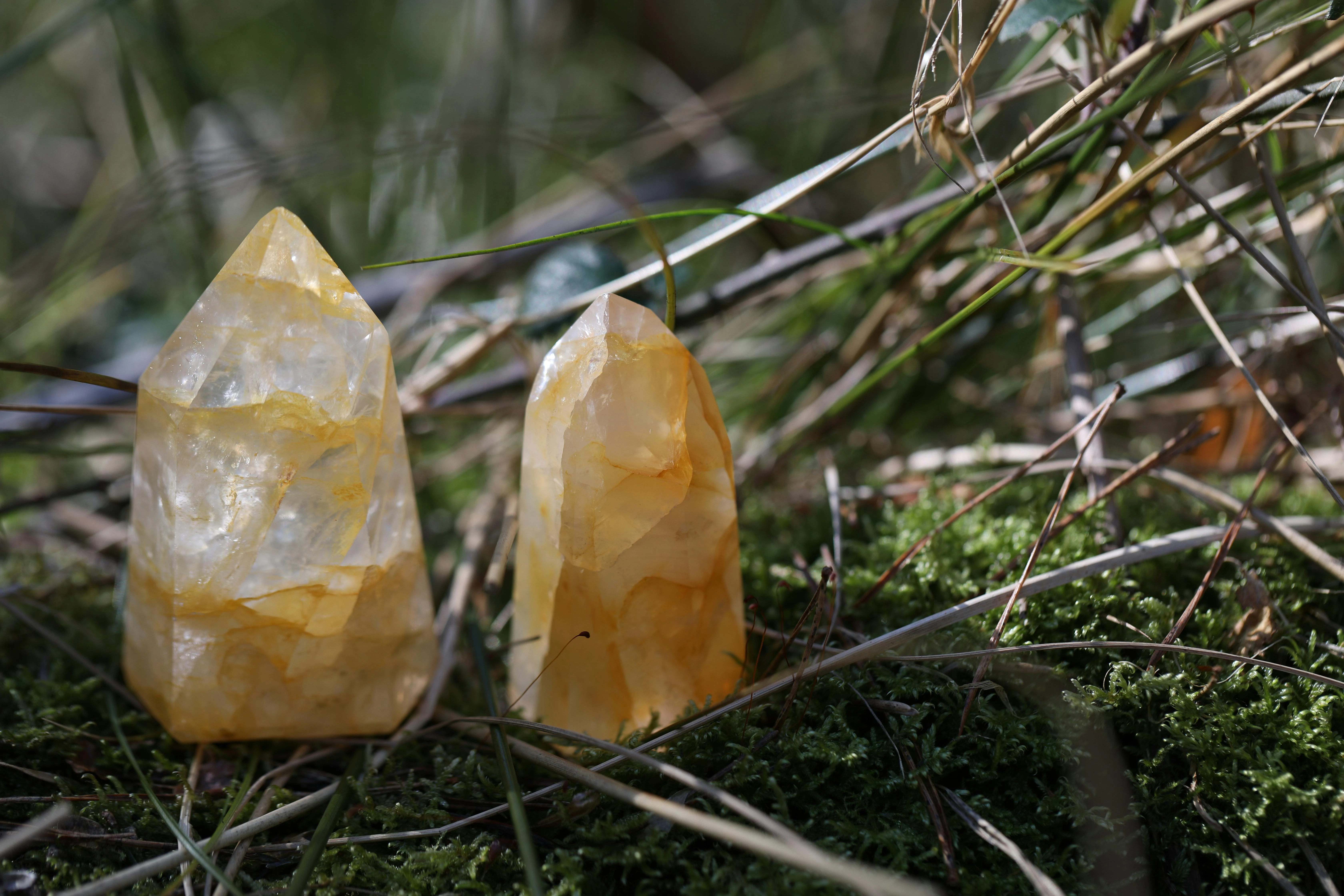
Heliodor: Noble Beryl
If citrine seems too simple, take a look at heliodor. This is the "brother" of emerald, colored by iron ions. It is harder than quartz (7.5-8) and possesses a cooler, more aristocratic golden color. Unlike citrine, heliodor is often absolutely clear without visible inclusions, making it a favorite among collectors.
Amber: Frozen Time
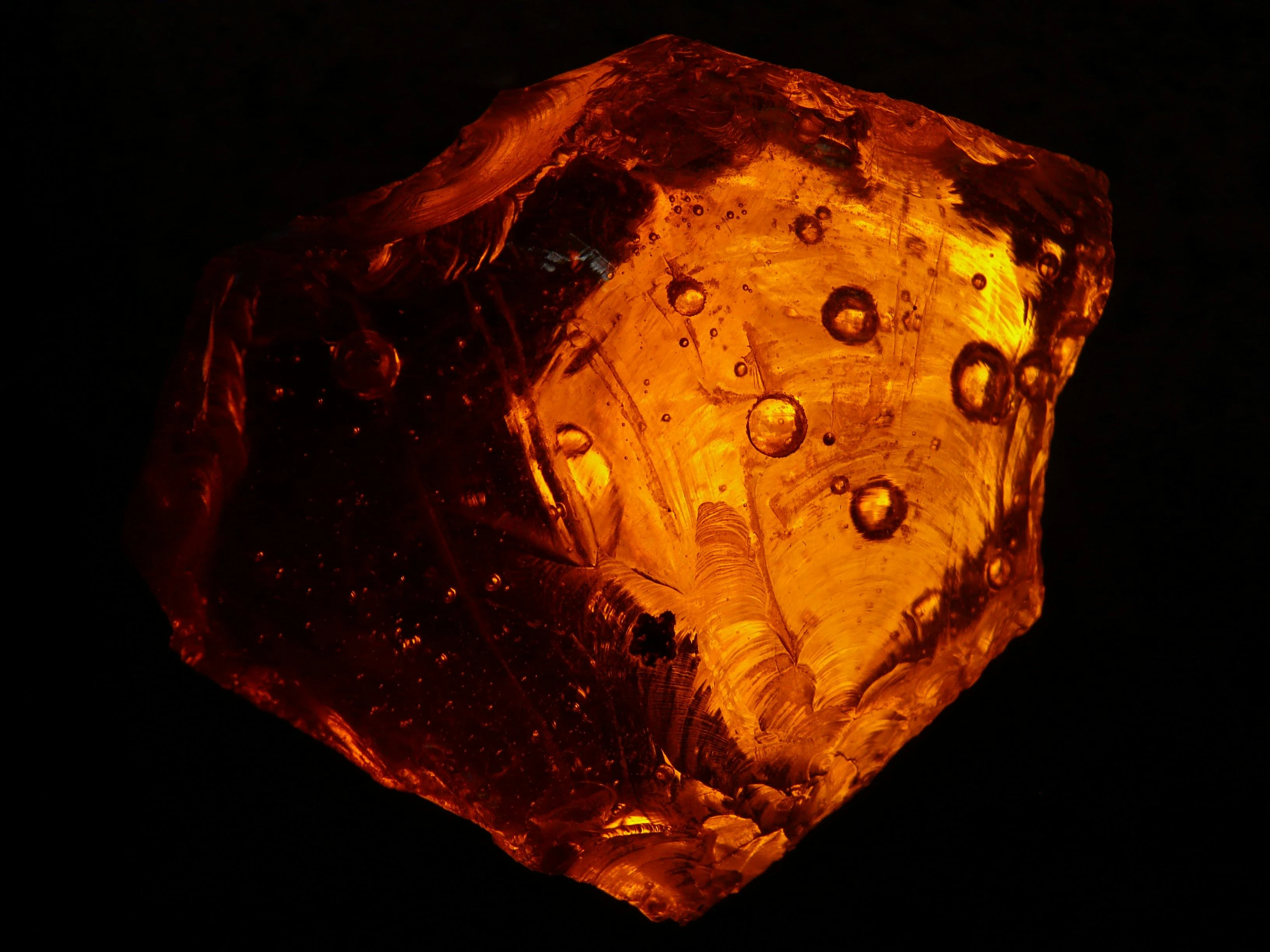
Amber isn't exactly a stone; it’s the fossilized resin of ancient trees. It feels incredibly light and warm to the touch.
- Authenticity Test: Dissolve 3 tablespoons of salt in a glass of water. Natural amber will float, while any plastic imitation or glass will sink like a stone.
Sphene (Titanite): Brighter than a Diamond
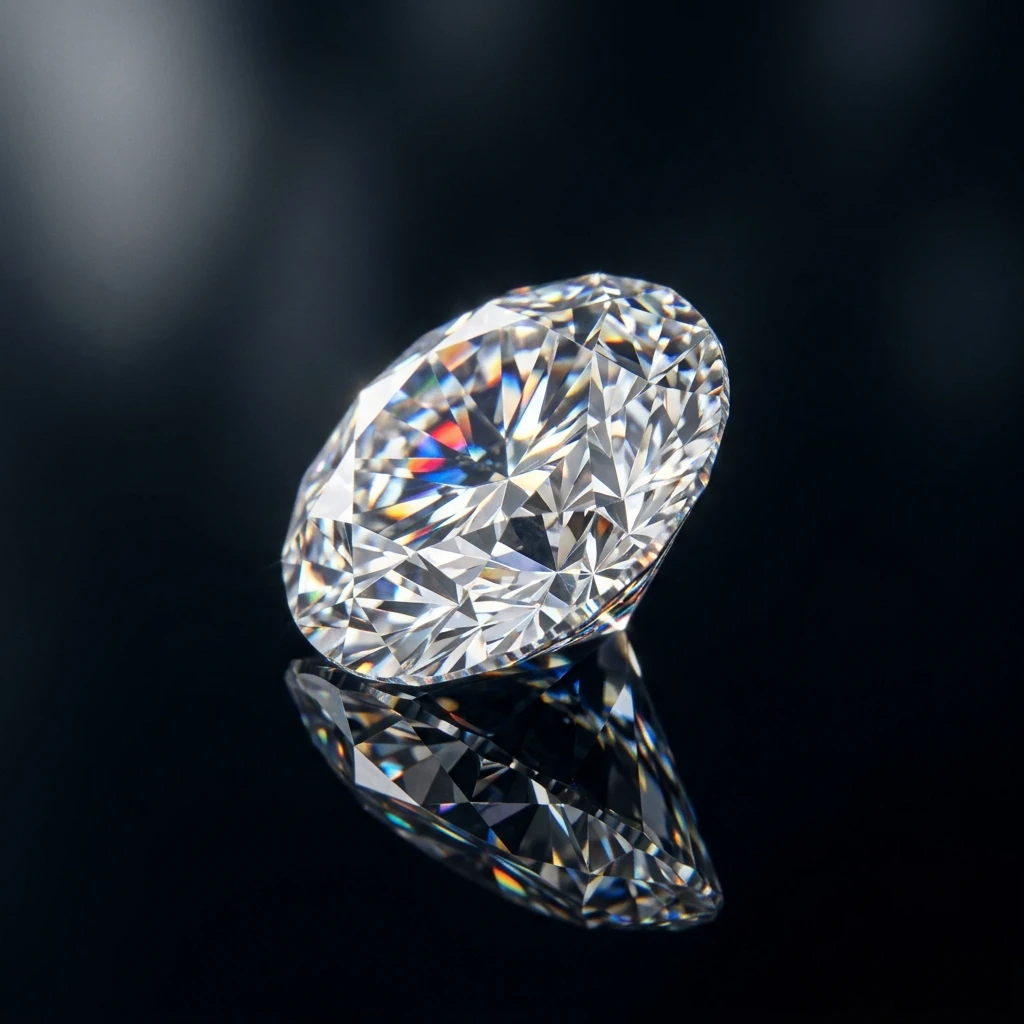
If you see a yellow stone that "sparks" green and red flashes more intensely than a diamond, it's likely sphene. Its dispersion (the ability to split light into a spectrum) is higher than that of a diamond. It’s a rare and beautiful mineral, though it is quite fragile and requires careful handling.
The "Chameleons": Minerals with a Color-Change Effect
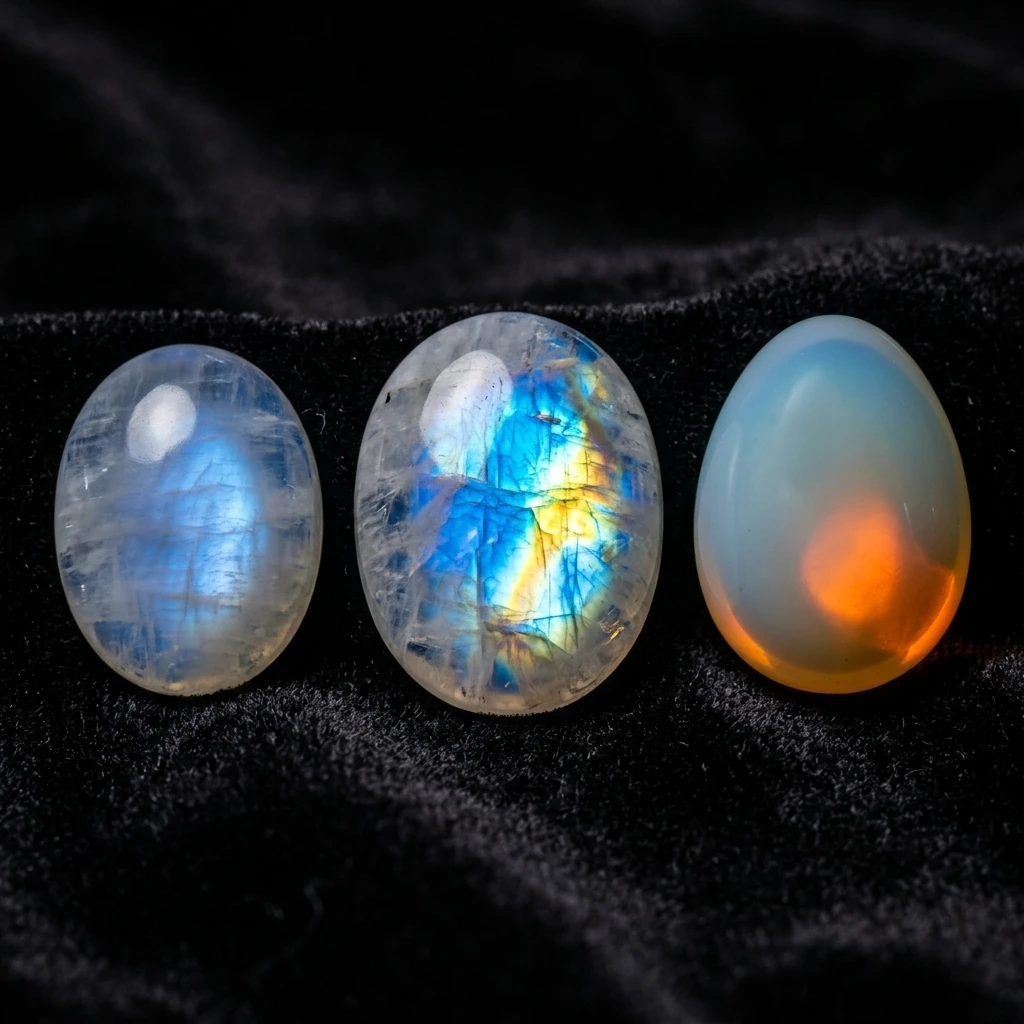
This is the peak of mineralogical magic. The ability of a stone to change color depending on the light is called the alexandrite effect.
Alexandrite: The Tsar of Stones
"Emerald by day, ruby by night." In sunlight, it is bluish-green or grass-green; under incandescent light (a lamp or candle), it turns purple-red or raspberry. Alexandrite is a variety of chrysoberyl and is extremely hard (8.5). If you find a color-changing stone, first check its hardness—alexandrite cannot be scratched by even the highest quality steel.
Sultanite (Diaspore): Oriental Mystery
Sultanite is the younger and more "gentle" brother of alexandrite. It is mined only in Turkey. Its color change is more subtle: from olive-green to pinkish-brown or honey-yellow. Sultanite is famous for its "pleochroism"—it can show different colors when viewed from different angles even under the same light.
Expert Advice: How to Identify Your Sample
If you have a yellow or color-changing stone and want to know "what is it?", follow this algorithm:
- Light Test: Look at the stone under the sun, and then under a yellow lamp. If the color changes—you have a "chameleon."
- Hardness Test: Try to scratch glass with it. If it doesn't leave a mark, it's likely amber or a soft imitation. If it does, it could be quartz, beryl, or chrysoberyl.
- Luster Test: Pay attention to how the light reflects off the surface. A greasy luster is typical for amber; a brilliant, "fiery" luster points toward sphene.
To narrow down the search, use our Interactive Diagnostic below. It will help you systematically analyze your find and determine its name.
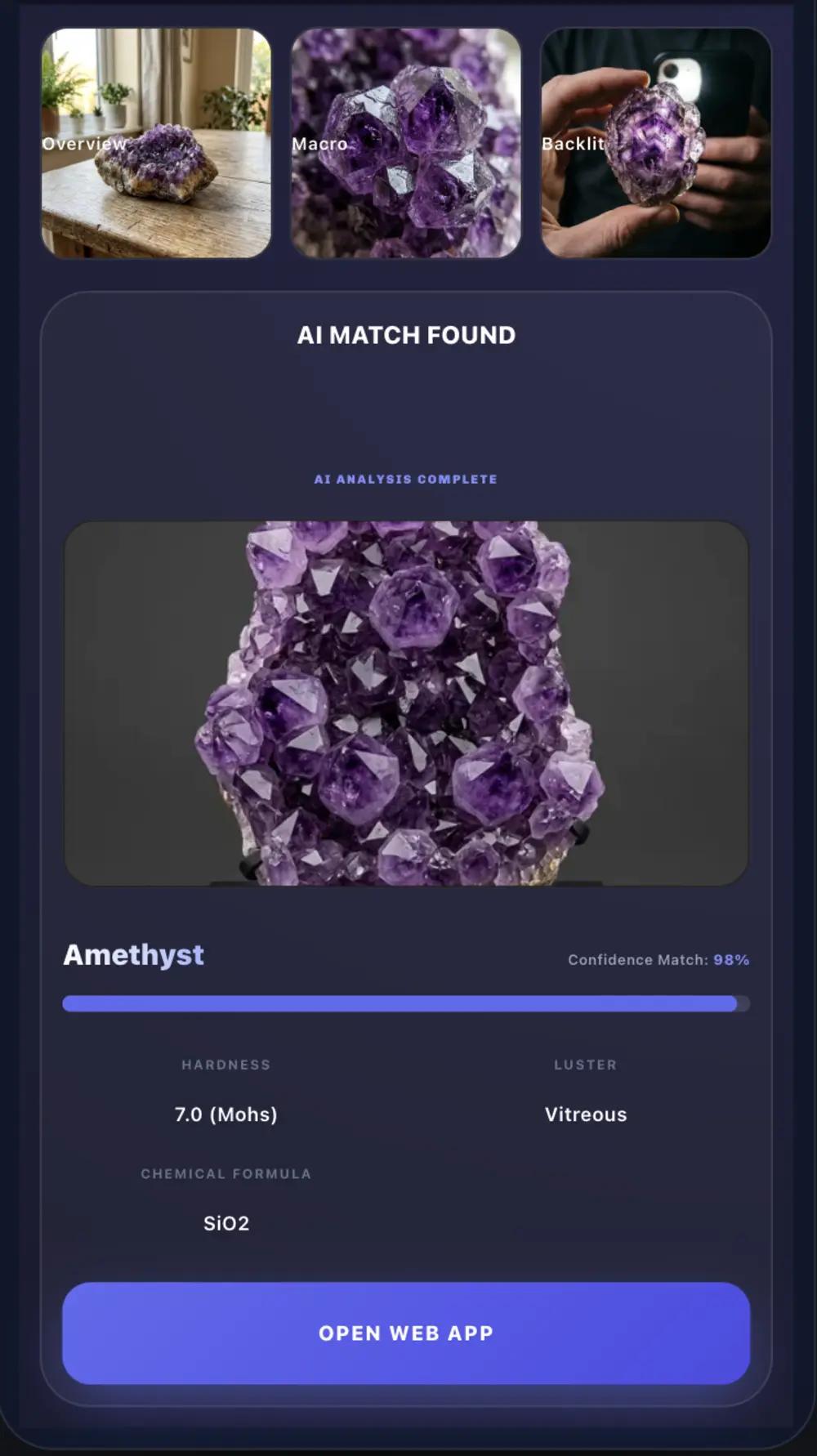
[!TIP] Never jump to conclusions based on color alone. Use our Minerals Guide app to get a professional AI identification. Identification by photo, combined with your physical observations, gives the most accurate result!
Available in other languages
- enYellow, Transparent and Color-Changing Minerals: A Complete Identification Guide
- ru Желтые, прозрачные и меняющие цвет минералы: Полный справочник-определитель
- es Minerales amarillos, transparentes y que cambian de color: Guía completa de identificación
- fr Minéraux jaunes, transparents et changeants de couleur : Le guide complet d'identification
- de Gelbe, transparente und farbwechselnde Mineralien: Der komplette Bestimmungshelfer
- it Minerali gialli, trasparenti e cangianti: La guida completa all'identificazione
- pt Minerais amarelos, transparentes e que mudam de cor: O guia completo de identificação
- pl Żółte, przezroczyste i zmieniające kolor minerały: Kompletny przewodnik identyfikacji
- uk Жовті, прозорі мінерали та камені, що змінюють колір: Повний довідник-означник
- tr Sarı, Şeffaf ve Renk Değiştiren Mineraller: Tam Tanımlama Rehberi
- sv Gula, transparenta och färgskiftande mineral: Den kompletta identifieringsguiden
- no Gule, gjennomsiktige og fargeskiftende mineraler: Den komplette identifiseringsguiden
- hi पीले, पारदर्शी और रंग बदलने वाले खनिज: एक पूर्ण पहचान मार्गदर्शिका
- id Mineral Kuning, Transparan, dan Berubah Warna: Panduan Identifikasi Lengkap
Frequently Asked Questions
How can I distinguish natural yellow citrine from treated quartz or imitations?
Natural citrine is rare; most "citrine" is actually heat-treated amethyst. Check the internal structure for color zoning (natural citrine is often paler and may show slight dichroism), verify hardness (~7 on Mohs scale), and look for natural inclusions. Heat-treated stones often have a brilliant, "burnt" orange hue and an opaque white area at the base.
Which minerals change color and how can I recognize them at home?
The alexandrite effect is found in alexandrite (chrysoberyl), color-change garnet, diaspore (sultanite), and occasionally sapphire. To test at home: view the stone under natural daylight and then under warm incandescent light (a yellow lamp or candle). A noticeable shift from green or blue-green to red, purple, or honey-yellow is a key indicator.
Which simple tests help distinguish topaz, beryl, and corundum among yellow gems?
Check hardness first: Corundum (sapphire) is 9, Topaz is 8, and Beryl (heliodor) is 7.5-8. Use a refractometer to check R.I. values: Corundum (≈1.76-1.78), Topaz (≈1.61-1.64), and Beryl (≈1.57-1.60). Also, look for cleavage: Topaz has perfect cleavage, while Beryl and Corundum do not.
How can I recognize amber among minerals and glass imitations?
Amber is a fossil resin and much softer than minerals (Mohs 2-2.5). In saturated salt water, natural amber floats, while plastic or glass sink. When rubbed, amber produces static electricity and may smell faintly of pine or resin. Under UV light, it typically fluoresces blue or green.