Tourmaline Colors and Identification: A Guide to the Rainbow Gemstone
Tourmaline is often called the "Gemstone of the Rainbow," and for a very good reason. Legend says that it traveled along a rainbow and gathered all its colors. But for gemologists and collectors, identifying this complex silicate mineral requires more than just looking at its vibrant hues. Whether you've found a raw crystal or are evaluating a faceted stone, understanding the unique physical and optical properties of tourmaline is the key to distinguishing it from its many look-alikes.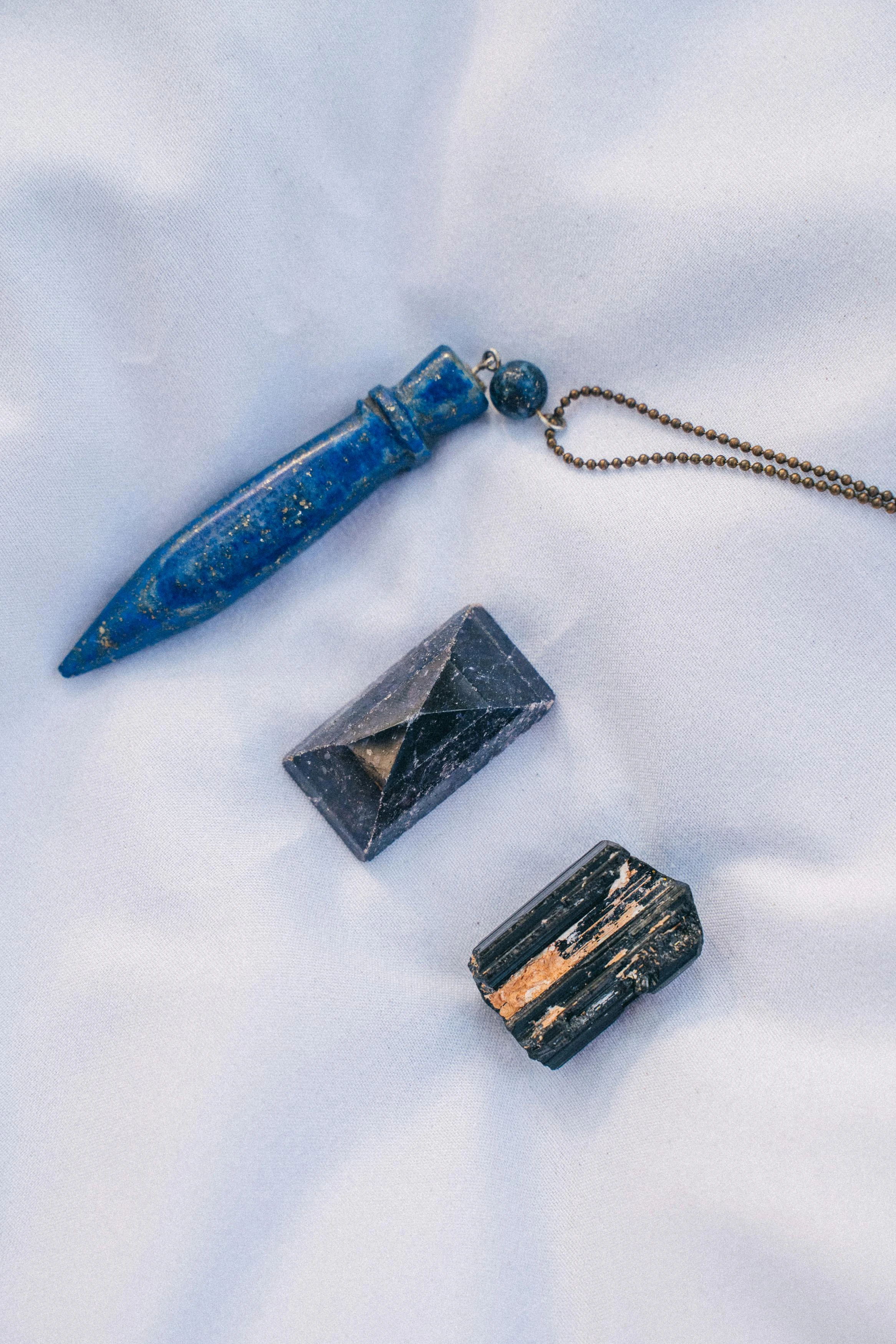
The Science of Tourmaline: Crystal Habit and Hardness
At its core, tourmaline refers to a large group of boron silicate minerals that share a common crystal structure but vary widely in chemical composition. To identify tourmaline in its rough form, look for its most distinctive feature: the prismatic crystal habit.
Tourmaline crystals are typically elongated with prominent vertical striations (thin, grooved lines) running down the length of the crystal faces. If you look at the cross-section of a tourmaline crystal, you'll often notice a rounded triangular or hexagonal shape—a unique "fingerprint" that separates it from quartz or beryl.
On the Mohs scale, tourmaline ranks between 7 and 7.5. This makes it durable enough for everyday jewelry but also means it can scratch glass (hardness 5.5) and most common minerals like apatite or fluorite.
Pleochroism: The Secret to Identifying Real Tourmaline
One of the most reliable ways to identify tourmaline without laboratory equipment is to check for strong pleochroism. This optical phenomenon occurs when a gemstone displays different colors or different shades of the same color when viewed from different angles.
To test this, slowly rotate the stone under a steady light source. You might see a green stone turn almost black when viewed down its long axis (the c-axis), or a pink stone shift to a lighter, more orange-pink hue. This "multi-color" nature is a hallmark of genuine tourmaline and is rarely seen as vividly in synthetic imitations.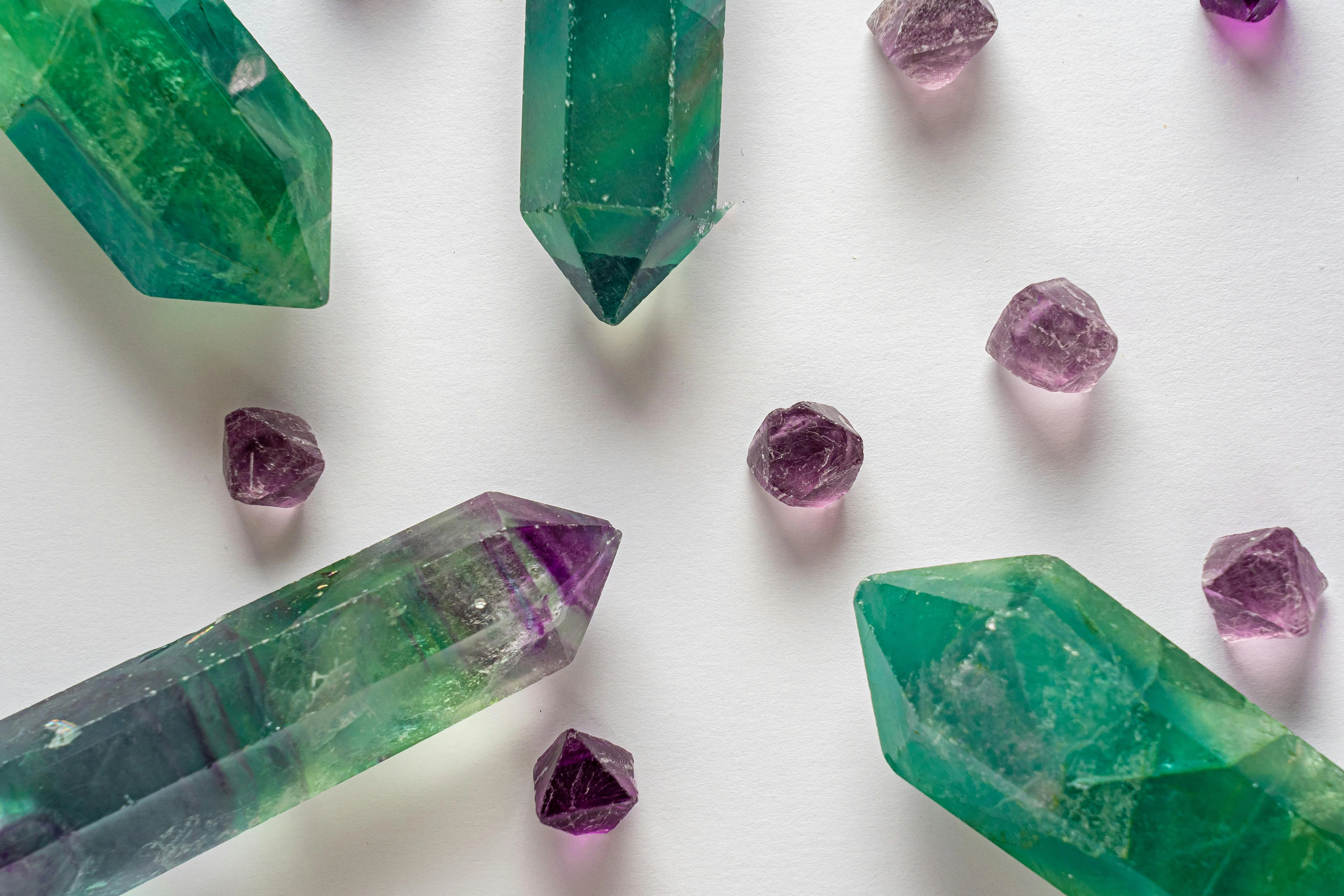
Color Zoning and the Watermelon Phenomenon
Perhaps the most famous variety of tourmaline is the Watermelon Tourmaline. This is a prime example of color zoning, where different trace elements are present during the crystal's growth at different times. In a watermelon specimen, you'll find a pink center (colored by manganese) surrounded by a green "rind" (colored by iron or chromium).
Identifying color zoning is essential for both collectors and cutters. It proves the stone's natural origin and, in many cases, increases its value significantly. If you're working with complex multi-colored specimens, using a professional tourmaline color zoning identification tool can help you map these zones and understand the trace elements behind them.
Tourmaline vs. Imposters: How to Tell the Difference
Because tourmaline comes in almost every color, it's frequently confused with other popular gemstones:
- Tourmaline vs. Beryl (Emerald/Aquamarine): While both are prismatic, beryl usually has a hexagonal cross-section (6 sides), whereas tourmaline's is often a 3-sided "rounded triangle." Beryl also lacks the strong pleochroism found in most tourmaline.
- Tourmaline vs. Quartz: Quartz (hardness 7) is slightly softer and lacks the vertical striations of tourmaline. Furthermore, tourmaline is much heavier (specific gravity ~3.06) compared to quartz (~2.65).
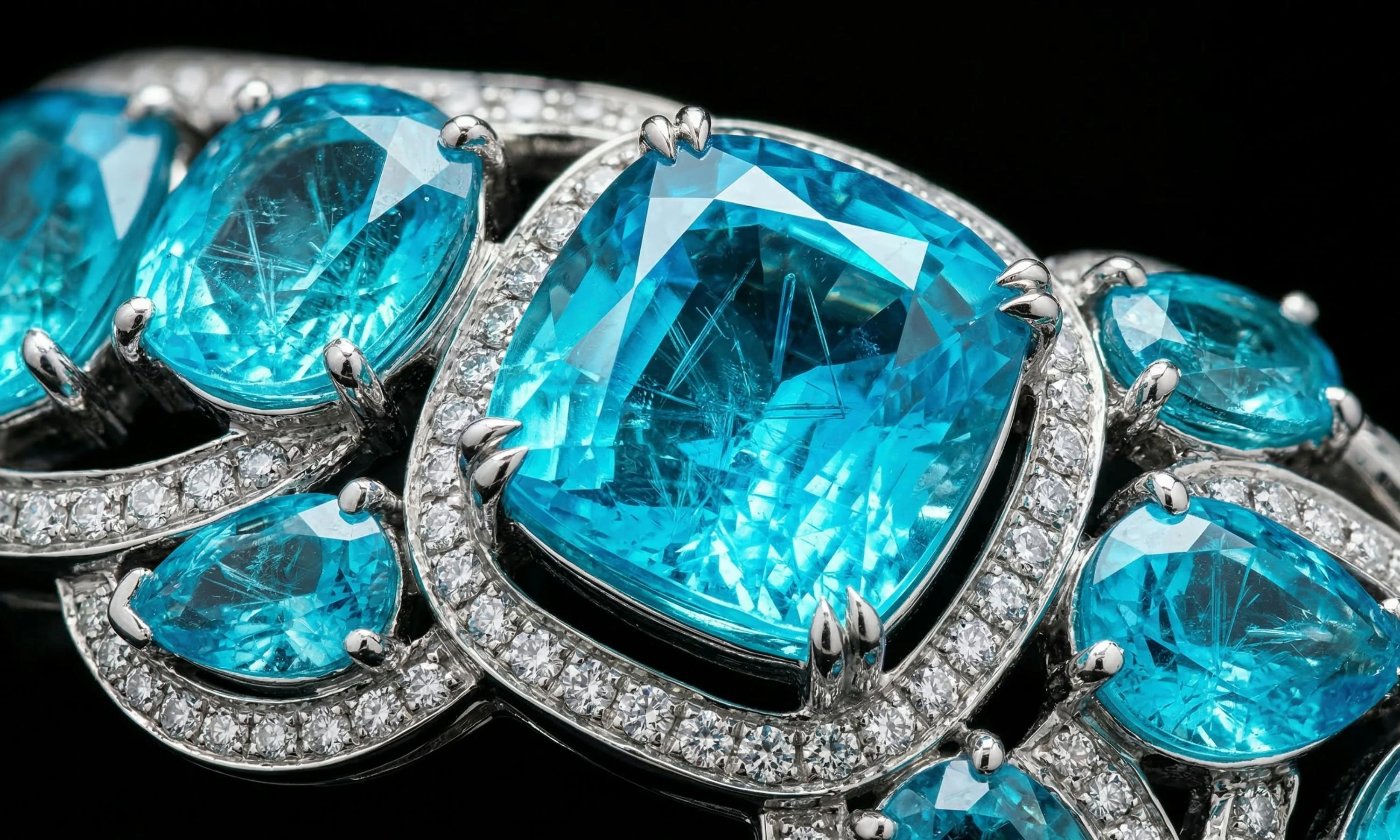
- Synthetic Spinel or Glass: Cheap imitations often lack natural inclusions and pleochroism. Under a loupe, natural tourmaline will often show "trichites"—hair-like fluid-filled inclusions that are a sign of natural formation.
The "Rainbow Machine": Electrical Properties
Finally, tourmaline has a "superpower" known as pyroelectricity and piezoelectricity. This means it can generate an electric charge when heated (pyro) or when physical pressure is applied (piezo). In fact, early Dutch traders realized that a heated tourmaline crystal would attract ashes from their meerschaum pipes, calling it aschentrekker (ash puller). You can test this at home by rubbing a crystal vigorously on a piece of wool; if it's real tourmaline, it should have the power to attract small bits of dust or lint.
Available in other languages
- enTourmaline Colors and Identification: A Guide to the Rainbow Gemstone
- ru Цвета и определение турмалина: Гид по «радужному камню»
- es Colores e identificación de la turmalina: Guía de la gema del arcoíris
- fr Couleurs et identification de la tourmaline : Guide de la pierre précieuse arc-en-ciel
- de Turmalin-Farben und Bestimmung: Ein Leitfaden zum Edelstein des Regenbogens
- it Colori e identificazione della tormalina: Guida alla gema dell'arcobaleno
- pt Cores e identificação da turmalina: Um guia para a gema do arco-íris
- pl Kolory i identyfikacja turmalinu: Przewodnik po kamieniu tęczy
- uk Кольори та ідентифікація турмаліну: Путівник по «каменю веселки»
- tr Turmalin Renkleri ve Tanımlanması: Gökkuşağı Taşının Rehberi
- sv Turmalinfärger och identifiering: En guide till regnbågens ädelsten
- no Turmalinfarger og identifisering: En guide til regnbuens smykkestein
- hi टूरमलाइन के रंग और पहचान: इंद्रधनुषी रत्न की गाइड
- id Warna dan Identifikasi Turmalin: Panduan untuk Batu Permata Pelangi
Frequently Asked Questions
How can I identify real tourmaline from its physical appearance?
Look for long, prismatic crystals with vertical striations (grooved lines) running down their length. In cross-section, tourmaline often appears as a rounded triangle or a hexagon. Natural tourmaline will also typically show some internal inclusions like tiny liquid-filled tubes called trichites.
What is the "watermelon" effect in tourmaline and why does it occur?
Watermelon tourmaline is a natural phenomenon of color zoning where a crystal has a pink core and a green outer rim. This occurs because the chemical environment (specifically the concentration of manganese and iron) changed during the crystal's growth, leading to distinct layers of different colors.
How can I test for tourmaline's electrical properties at home?
Tourmaline is pyroelectric and piezoelectric. You can test this by rubbing a crystal vigorously against a piece of wool or synthetic fabric to warm it up. If it's real tourmaline, it will develop a static charge and become capable of attracting small bits of dust, lint, or cigarette ash.
What is pleochroism and how does it help in tourmaline identification?
Pleochroism is the ability of a gemstone to show different colors when viewed from different angles. Tourmaline has very strong pleochroism. By rotating the stone under a steady light, you can observe shifts in color intensity or even entirely different hues, which is a key indicator of its natural origin and complex crystal structure.
How do I distinguish tourmaline from similar stones like quartz or beryl?
While colors can overlap, tourmaline is harder than glass and has a higher specific gravity (~3.06) than quartz (~2.65). Unlike beryl (hexagonal), tourmaline often shows a characteristic three-sided rounded triangular cross-section. Additionally, quartz and beryl do not exhibit the same level of intense pleochroism as tourmaline.