How to Identify a Real Diamond: The Ultimate Guide for Collectors
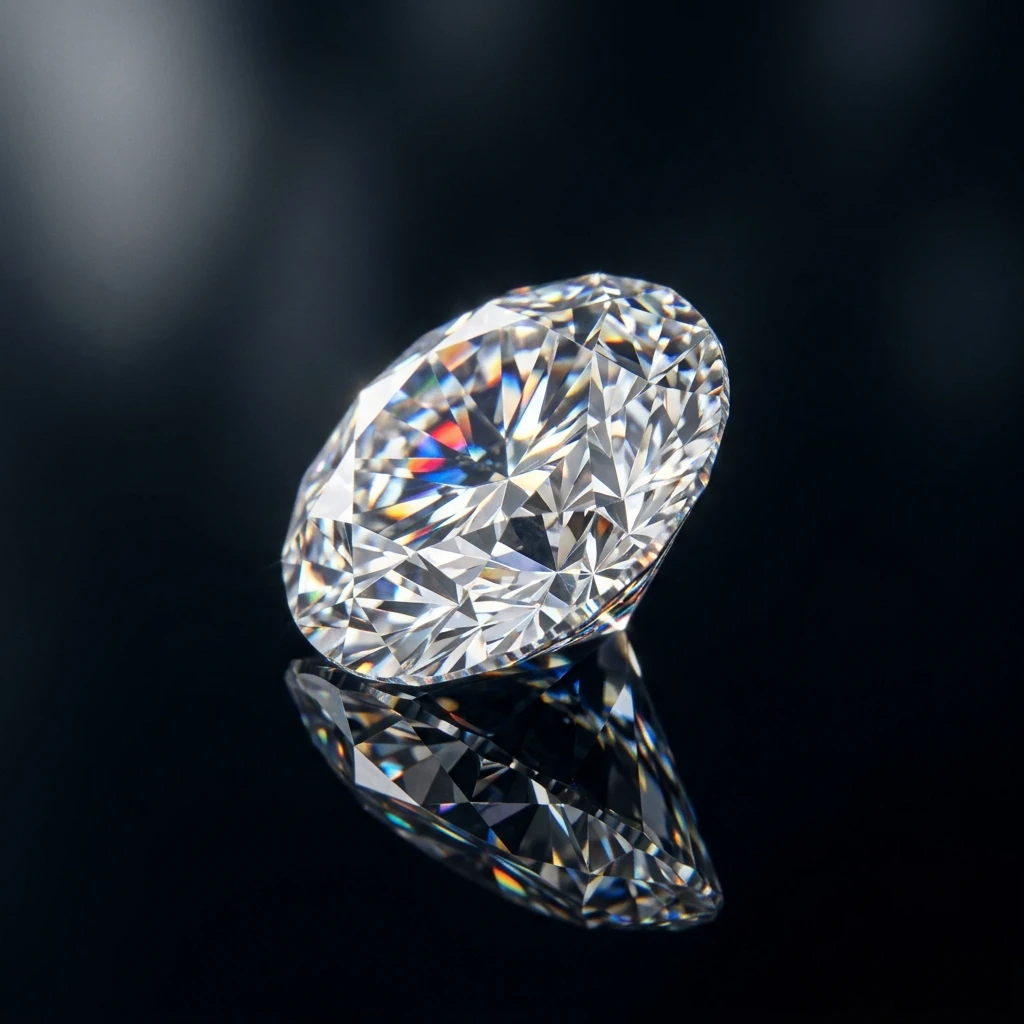
Identifying a real diamond is a skill every gem enthusiast, collector, and even casual jewelry buyer should have. Diamonds are famous for their unparalleled brilliance, durability, and rarity, but they are also frequently imitated. Whether you've found an old piece of jewelry in an attic or you're shopping for a significant investment, knowing how to distinguish a genuine diamond from a simulant like Moissanite or Cubic Zirconia is crucial.
In this guide, we will explore the professional and home-testing methods used to confirm diamond authenticity. We'll also provide an interactive diagnostic tool to walk you through the process step-by-step.
The Challenge of Diamond Identification
For centuries, diamonds had no close visual rivals. However, modern technology has produced high-quality simulants that can fool the untrained eye.
- Cubic Zirconia (CZ): A man-made material that is heavy and less brilliant but can look very similar when clean.
- Moissanite: A silicon carbide crystal that is nearly as hard as a diamond and has even more "fire" (rainbow flashes).
- Glass/White Sapphire/Topaz: Natural or synthetic materials that lack the refractive power of a true diamond.
Identifying a diamond isn't just about looking at it; it's about testing its physical properties—specifically its thermal conductivity, refractive index, and structural inclusions.
When to Consult a Professional Gemologist
While home tests are excellent for initial screening, they are not 100% foolproof, especially against high-quality lab-grown diamonds or sophisticated "doublets" (composite stones). You should seek a professional appraisal or GIA certification if:
- The stone is an inheritance: Antique settings can hide many clues.
- High financial stakes: Any stone over 0.5 carats should be professionally verified.
- Insurance purposes: Most insurers require a certified appraisal.
- Resale intent: A certificate adds significantly to the liquidity of the gemstone.
Professional labs use spectroscopic analysis and high-powered microscopes to detect the subtle chemical signatures of natural vs. synthetic stones.
How to Interpret Diamond Test Results
Our interactive diagnostic tool below uses the "Standard Diamond Identification Protocol." Here is what the different stages represent:
1. The Fog Test (Physical Properties)
Diamonds are highly efficient at dispersing heat. When you breathe on a diamond, the fog should disappear almost immediately. If it stays for more than a couple of seconds, it’s likely a simulant with lower thermal conductivity.
2. Thermal and Electrical Testing
Professional diamond testers measure how heat and electricity pass through a stone. Measuring thermal conductivity is one of the most reliable ways to separate diamonds from simulants like CZ. However, because Moissanite also conducts heat exceptionally well, basic thermal testers often misidentify it as a diamond. To solve this, jewelers use electrical conductivity testers: Moissanite conducts a slight amount of electricity, whereas natural diamonds (with rare exceptions) do not.
3. Inclusion Analysis (The Loupe Test)
Natural diamonds are formed under extreme heat and pressure, often trapping tiny bits of other minerals or carbon within them. These "inclusions" are like a fingerprint. If a stone is too perfect under a 10x loupe, it’s a red flag (though not definitive, as high-end diamonds exist).
4. Double Refraction (The Moissanite "Blur")
Moissanite is "doubly refractive," meaning light splits into two as it enters the stone. This creates a "doubling" effect on the back facets when viewed through the top. Diamonds are "singly refractive" and will have sharp, crisp lines.
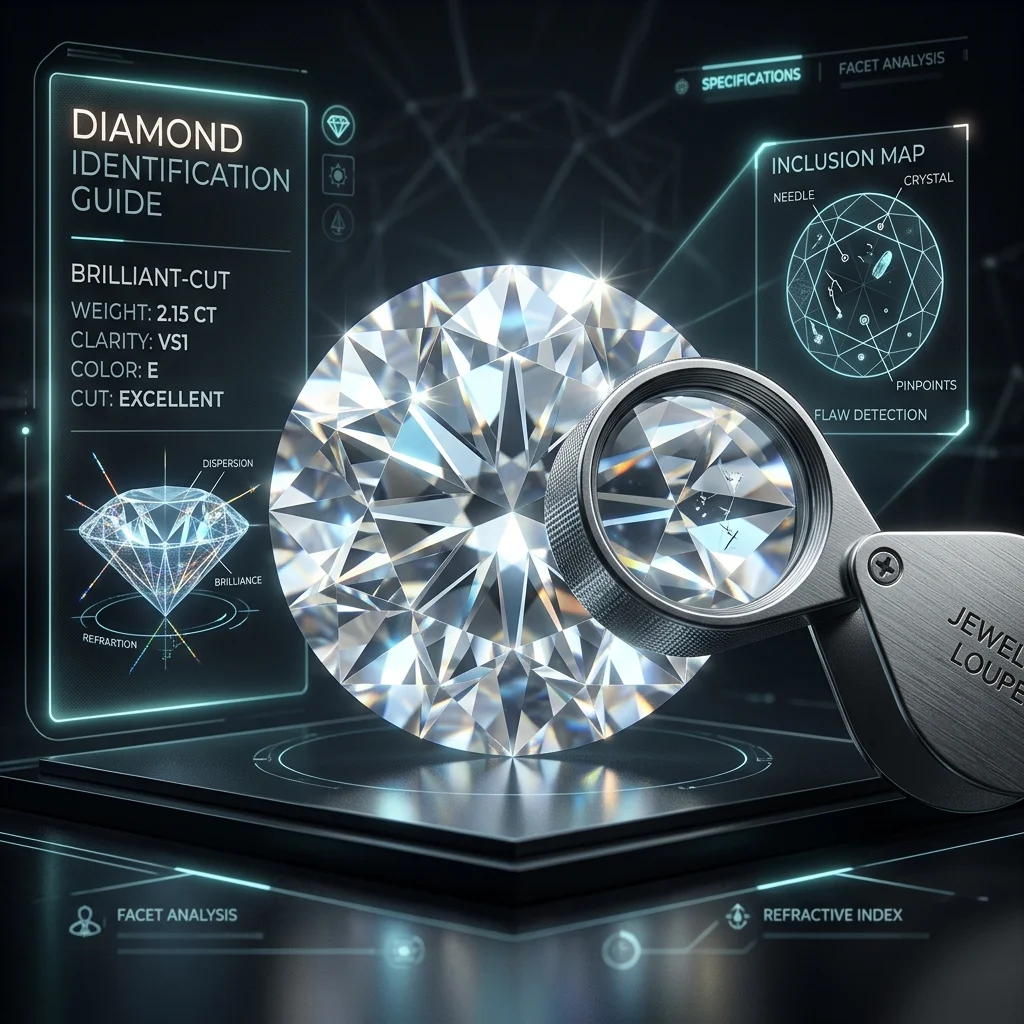
Interactive Diamond Identification Tool
Use the professional-grade diagnostic tree below to identify your gemstone. Follow the tests in order: Fog Test, Thermal Check, then Inclusion Analysis via loupe.
Frequently Asked Questions
Can a diamond scratch glass?
Yes, but so can many other minerals like quartz or white sapphire. Using a "scratch test" on your gemstone is discouraged as it can damage the stone if it's not a diamond.
Does a real diamond glow under UV light?
About 30% of natural diamonds have fluorescence, typically glowing blue under UV. However, the absence of a glow doesn't mean it's fake.
Can water tell if a diamond is real?
The "water test" involves dropping a stone into a glass of water. Diamonds are very dense and should sink. While many simulants also sink, some glass or light materials might float or sink slowly. This test is generally considered unreliable.
Available in other languages
- enHow to Identify a Real Diamond: Professional & Home Tests
- ru Как отличить настоящий бриллиант: Профессиональные и домашние тесты
- es Cómo identificar un diamante real: Pruebas profesionales y caseras
- fr Comment identifier un vrai diamant : Tests professionnels et domestiques
- de Echten Diamanten erkennen: Profi-Tests & Hausmittel
- it Come Riconoscere un Diamante Vero: Test Professionali e Fai-da-te
- pt Como Identificar um Diamante Real: Testes Profissionais e Caseiros
- pl Jak rozpoznać prawdziwy diament: Testy domowe i profesjonalne
- uk Як відрізнити справжній діамант: Професійні та домашні тести
- tr Gerçek Elmas Nasıl Anlaşılır: Profesyonel ve Evde Yapılan Testler
- sv Så identifierar du en äkta diamant: Proffstest och hemmetoder
- no Slik gjenkjenner du en ekte diamant: Profesjonelle og hjemmetester
- hi असली हीरे की पहचान कैसे करें: प्रोफेशनल और घरेलू टेस्ट
- id Cara Mengidentifikasi Berlian Asli: Tes Profesional & Rumahan