2006 Honda Civic Brake Pad Replacement Cost: Budgeting for Your 8th Gen Civic
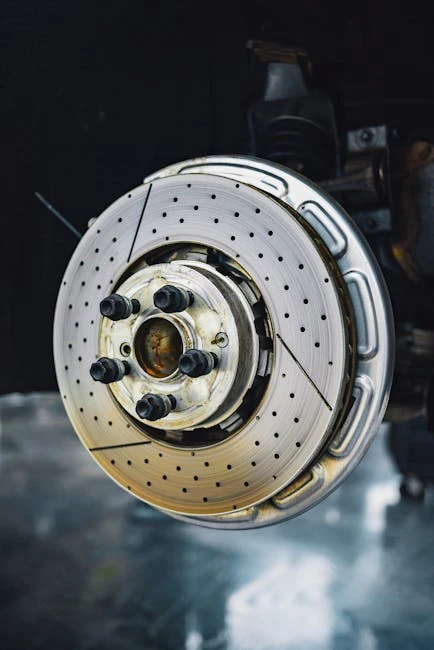
The 8th generation Honda Civic (2006–2011) is renowned for its reliability and longevity. However, like any high-mileage vehicle, maintaining its braking performance is critical for safety. If you've noticed a squealing sound or a decrease in stopping power, it's likely time for new brake pads.
In this guide, we'll break down the replacement costs for a 2006 Honda Civic, explore the factors that influence the price, and provide a handy calculator to help you estimate your total bill—whether you're heading to a mechanic or doing it yourself.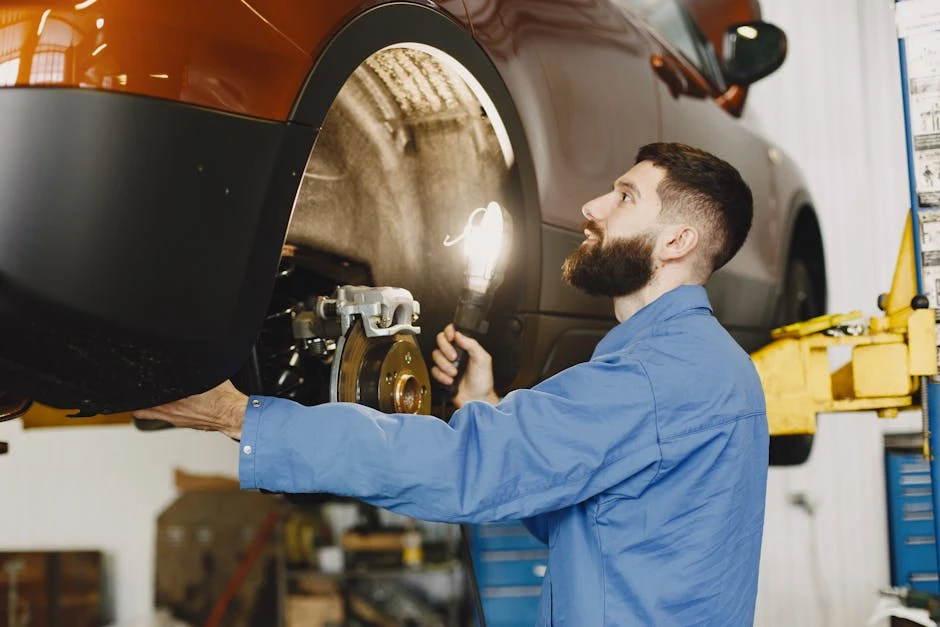
What Influences the Cost of Brake Pads?
The total price of a brake job isn't just about the pads themselves. Several variables can shift the final number significantly:
1. Front vs. Rear Axle
Typically, front brake pads wear out faster because they handle about 70% of the braking force. They are also slightly larger and more expensive than rear pads. For a 2006 Civic, expect the front pads to be $10–$20 more than the rear ones.
2. Parts Quality (Material)
- Budget/Organic: The least expensive option, but they wear quickly and produce more brake dust.
- Standard/Semi-Metallic: Great balance of cost and performance. These are the most common choice for daily drivers.
- Performance/Ceramic: The premium choice. Ceramic pads are quieter, last longer, and produce very little dust, making them ideal for the 8th gen Civic's commuter lifestyle.
3. Professional Labor vs. DIY
This is the biggest cost swinger. A professional mechanic will charge between 1 to 2 hours of labor per axle. With hourly rates ranging from $80 to over $200 at dealerships, you could be paying $150–$300 just for the expertise. DIY-ing the job only costs you the price of parts and a few hours of your Saturday.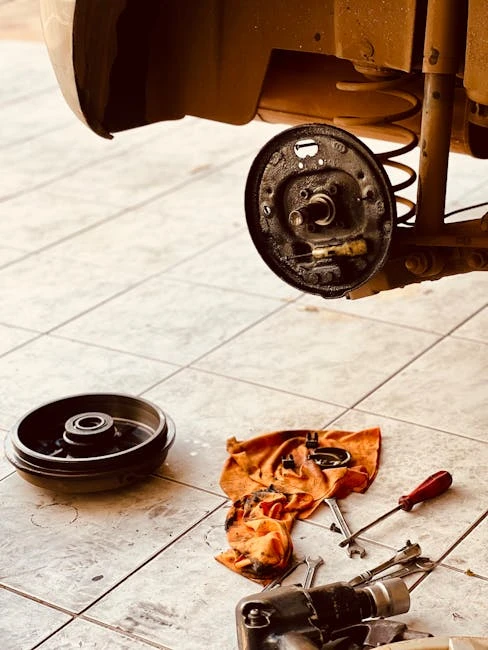
How to Use the Calculator
To get a realistic estimate for your specific situation, use our interactive tool below.
- Select the Axle: Choose whether you are replacing the front or rear pads.
- Pick Your Parts Quality: Decide if you want standard OEM-quality pads or premium ceramic performance pads.
- Choose Service Type: Select 'Professional' to include labor costs or 'DIY' for parts only.
- Adjust Labor Rate: If you're going to a shop, input their hourly rate (the national average is around $120/hr).
The calculator will instantly provide an estimated total based on typical 2006 Honda Civic part prices and labor times.
Tips for Extending Brake Life
Once you've replaced your pads, follow these tips to make them last as long as possible:
- Avoid "Two-Footed" Driving: Don't rest your left foot on the brake pedal while driving.
- Coast to Stops: Whenever safe, let off the gas early and coast before applying the brakes.
- Flush Brake Fluid: Fresh fluid every 3 years prevents internal corrosion and ensures optimal hydraulic pressure.
Available in other languages
- en2006 Honda Civic Brake Pad Replacement Cost Calculator
- ru Калькулятор стоимости замены тормозных колодок Honda Civic 2006
- es Calculadora de costo de cambio de pastillas de freno Honda Civic 2006
- fr Calculateur de prix pour le changement des plaquettes de frein Honda Civic 2006
- de Kostenrechner für Bremsbelagwechsel beim Honda Civic 2006
- it Calcolatore costo sostituzione pastiglie freni Honda Civic 2006
- pt Calculadora de custo de substituição de pastilhas de travão Honda Civic 2006
- pl Kalkulator kosztów wymiany klocków hamulcowych w Honda Civic 2006
- uk Калькулятор вартості заміни гальмівних колодок Honda Civic 2006
- tr 2006 Honda Civic Fren Balatası Değişim Ücreti Hesaplayıcı
- sv Kostnadskalkylator för byte av bromsbelägg på Honda Civic 2006
- no Kostnadskalkulator for bytte av bremseklosser på Honda Civic 2006
- hi 2006 होंडा सिविक ब्रेक पैड बदलने की लागत का कैलकुलेटर
- id Kalkulator Biaya Ganti Kampas Rem Honda Civic 2006
Frequently Asked Questions
How much does it cost to replace brake pads on a 2006 Honda Civic?
On average, you can expect to pay between $150 and $350 per axle for professional replacement. If you do it yourself, the parts will cost between $40 and $100 per axle.
Are front brake pads more expensive than rear ones for the 8th gen Civic?
Yes, front brake pads are typically larger and more expensive than rear ones. They also handle more braking force and usually need replacement more frequently.
Is it difficult to change brake pads on a 2006 Honda Civic myself?
For those with basic mechanical skills and the right tools (jack, jack stands, socket set, C-clamp), it is a straightforward job that can be completed in 1-2 hours per axle.
What is the best type of brake pad for a Honda Civic daily driver?
Ceramic brake pads are highly recommended for daily driving as they provide quiet operation, low dust, and long-lasting performance compared to organic or semi-metallic pads.