The Dreaded Check Engine Light: How to Decode OBD2 Error Codes Without Losing Your Mind
We’ve all been there. You’re cruising down the highway, your favorite track is playing, and suddenly—bam—that glowing yellow icon appears on your dashboard. The check engine light. For most drivers, it’s an instant source of anxiety. Are we talking about a loose gas cap, or is the engine about to need a total rebuild?
When that light comes on, your car’s computer has just stored one or more OBD-II trouble codes (DTCs). Understanding exactly what does check engine light mean and learning how to decode OBD2 codes is your superpower. It helps you decide whether you need to pull over immediately, book a mechanic for next week, or just fix it yourself in the driveway. Let’s dive in and demystify what your car is trying to tell you.
What Exactly is OBD2?
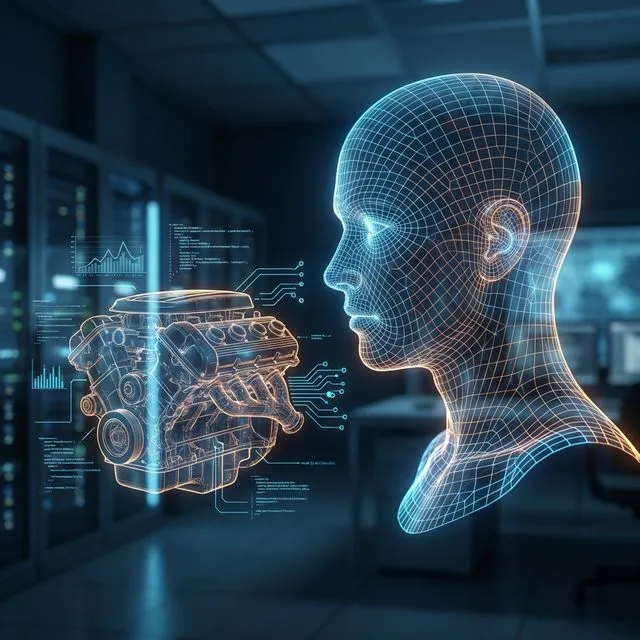
Think of OBD-II (On-Board Diagnostics) as your car’s internal health monitor. It’s been the standard diagnostic system in cars since 1996. Whenever a sensor detects that something is off with the engine, emissions, or related systems, the Engine Control Unit (ECU) throws on the check engine light and saves a Diagnostic Trouble Code (DTC).
Gone are the days of guessing what's wrong by listening to engine clanks. Today, you can pull these codes in seconds using a standard OBD2 scanner or a Bluetooth adapter paired with your smartphone.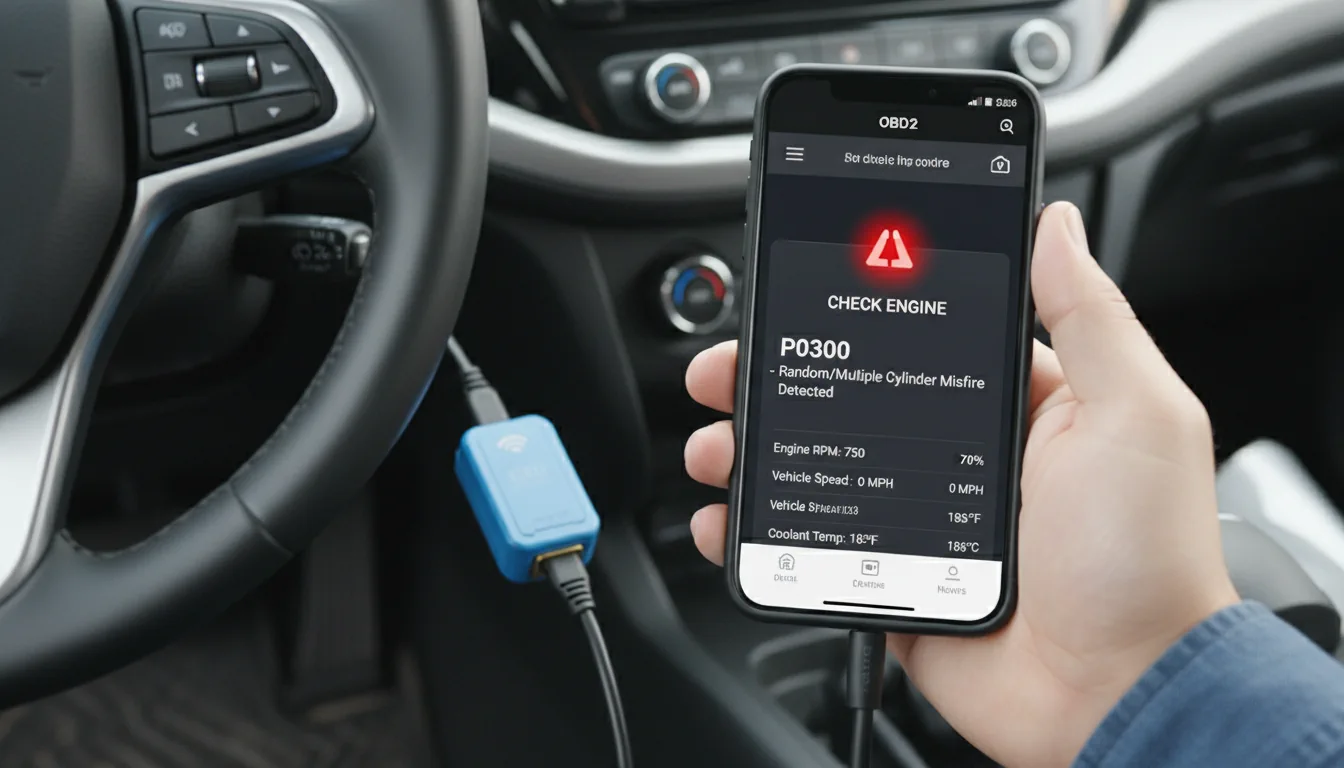
The Panic Meter: Constant vs. Flashing Light
Not all check engine warnings are created equal. Before you panic, look at how the light is behaving:
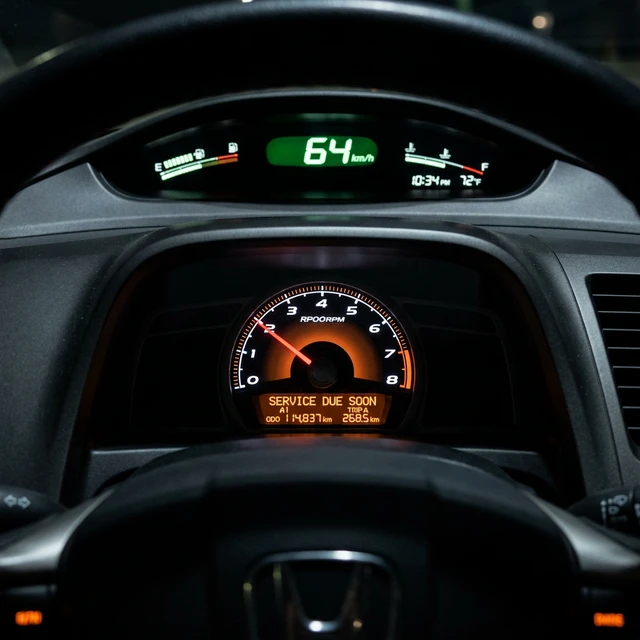
- The Steady Light (Don't panic, but don't ignore) — A fault is stored in the system. Your car is saying, "Hey, something isn't right." You should get the car checked out soon, but it’s usually not a roadside emergency unless you're experiencing a severe loss of power, terrible smells, or weird noises.
- The Flashing Light (Pull over safely!) — This is the car equivalent of a red alert. A flashing check engine light usually indicates a severe engine misfire that is actively dumping unburned fuel into the exhaust, which can rapidly destroy your catalytic converter (an incredibly expensive repair!). Reduce your speed, avoid hard acceleration, and get the car diagnosed immediately.
Ultimately, your check engine light meaning depends entirely on the behavior of the light and the specific codes hiding behind it.
How to Read and Decode OBD2 Codes Like a Pro
Alright, you plugged in your scanner, and it spit out a code. It usually looks like a 5-character alphanumeric puzzle: one letter followed by four digits (like P0300 or P0171). Here is the cheat sheet to decode OBD2 codes:
- P-Codes (Powertrain): Starts with P0xxx, P2xxx, or P3xxx. These relate to the engine, transmission, and emissions. If your check engine light is on, you’re almost certainly dealing with a P-code.
- P1xxx: Manufacturer-specific powertrain codes (meaning Honda's P1 code might mean something completely different from BMW's).
- Bxxxx (Body): Issues with airbags, climate control, power windows, etc.
- Cxxxx (Chassis): Problems with ABS, suspension, or stability control systems.
- Uxxxx (Network/Communication): Issues with the car's internal computers talking to each other.
To properly decode OBD2 codes, you need more than just the letter. Generic codes (P0) are universal, but once you hit manufacturer-specific territory, you need a smart tool to translate that gibberish into plain English.
The Usual Suspects: Common OBD2 Error Codes
Here are a few of the most frequent offenders that light up your dashboard.
| Error Code | The "Mechanic Speak" | What it actually means / Common causes |
|---|---|---|
| P0300 | Random/Multiple Cylinder Misfire | Your engine is stumbling. Could be worn spark plugs, bad ignition coils, a vacuum leak, or poor fuel pressure. |
| P0171 | System Too Lean (Bank 1) | Too much air, not enough fuel. Check for vacuum leaks, a dirty Mass Airflow Sensor (MAF), or a failing oxygen (O2) sensor. |
| P0420 | Catalyst System Efficiency Below Threshold | Often points to a dying catalytic converter or a faulty downstream O2 sensor. |
| P0442 | Evaporative Emission Control System Leak (Small) | Vapors are escaping! Believe it or not, this is often just a loose or worn-out gas cap. |
| P0128 | Coolant Thermostat (Coolant Temp Below Regulating Temp) | Your engine isn't warming up fast enough, usually because the thermostat is stuck open and needs replacing. |
Remember, this is just a short list. OBD2 error codes don't tell you exactly which part to replace—they just tell you which system is complaining. You use the code as your starting point.
What to Do Next (And How to Fix It Faster)
Got your code? Great. Here is your game plan:
- Write down the exact OBD-II trouble codes (e.g., P0300, P0171). Don't just rely on the scanner's 3-word summary.
- Assess the urgency. Flashing light? Get to a shop. Steady light and the car drives fine? You've got time to research.
- Get a smart diagnosis. Don't spend hours trawling ancient car forums.
If you want to quickly decode OBD2 codes and get a plain-language explanation, you need the right tools in your pocket. This is where our free Auto parts. Automotive technologies app becomes your ultimate garage companion.
Instead of just giving you a vague description, the app features an integrated AI mechanic—powered by a network of smart digital assistants—that interprets your specific codes, explains the exact check engine light causes for your specific vehicle, and guides you on what to check first.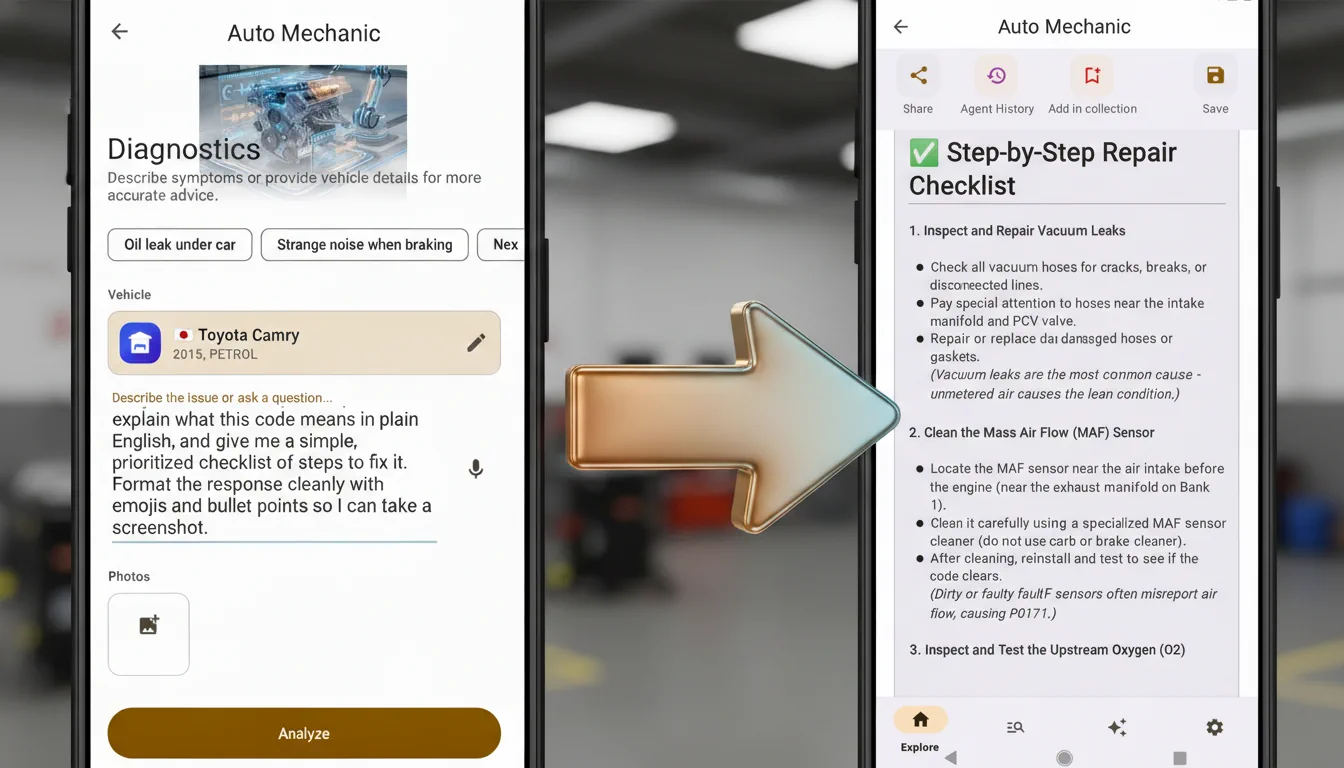
Even better? Once you track down the bad sensor or worn-out component, the app helps you find the replacement without scrolling through endless catalogs. Just pull out your phone's camera.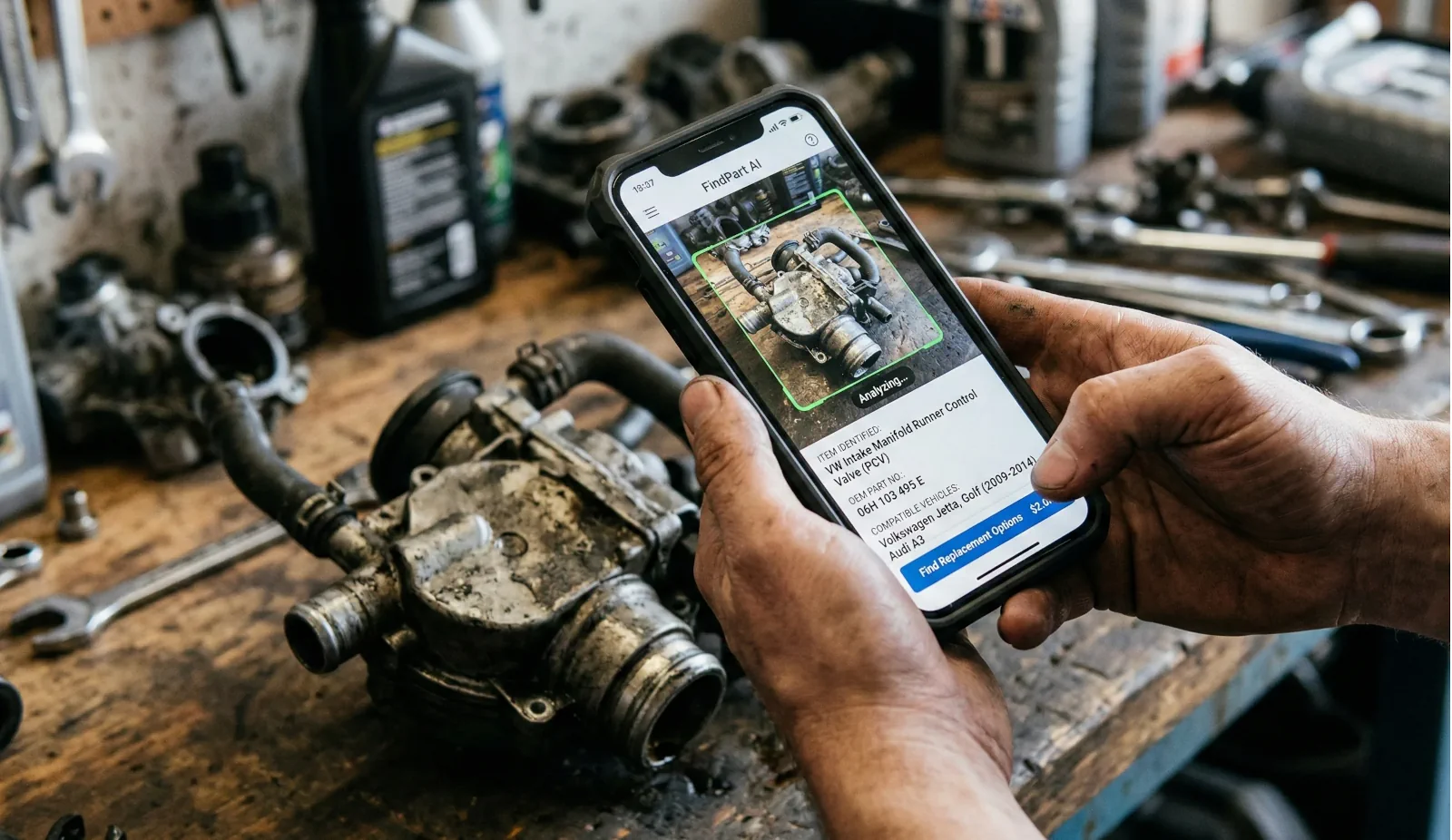
Don't let a yellow dashboard light ruin your week. Read the codes, ask the AI mechanic, grab the right parts, and get back on the road safely!
Ready to stop guessing why that check engine light is on? If you want to seamlessly decode OBD2 codes, get plain-English explanations from our AI mechanic, and instantly identify car parts by photo when it's time for a repair, download the Auto parts. Automotive technologies app today. It puts a master technician right in your pocket!

Available in other languages
- enOBD2 Error Codes and Check Engine Light: Complete Guide
- ru Коды ошибок OBD2 и индикатор Check Engine: полное руководство
- es La temida luz de Check Engine: cómo decodificar códigos de error OBD2 sin perder la cabeza
- fr Le redoutable voyant Check Engine : comment décoder les codes d'erreur OBD2 sans perdre la tête
- de OBD2-Fehlercodes und Motorkontrollleuchte: Der komplette Ratgeber
- it L'odiata spia Check Engine: come decodificare i codici di errore OBD2 senza impazzire
- pt A temida luz do Check Engine: como decodificar códigos de erro OBD2 sem perder a cabeça
- pl Przerażająca kontrolka Check Engine: Jak odczytać kody błędów OBD2 i nie oszaleć
- uk Страшний Check Engine: Як розшифрувати коди помилок OBD2 і не втратити спокій
- tr Korkulu Rüya Check Engine: OBD2 Hata Kodlarını Aklınızı Kaybetmeden Nasıl Çözersiniz?
- sv Den fruktade kontrollampan Check Engine: Hur man avkodar OBD2-felkoder utan att tappa förståndet
- no Den fryktede Check Engine-lampen: Slik dekoder du OBD2-feilkoder uten å miste besinnelsen
- hi डरावनी चेक इंजन लाइट: अपना आपा खोए बिना OBD2 त्रुटि कोड को कैसे डिकोड करें
- id Lampu Check Engine yang Menakutkan: Cara Mendekode Kode Kesalahan OBD2 Tanpa Pusing