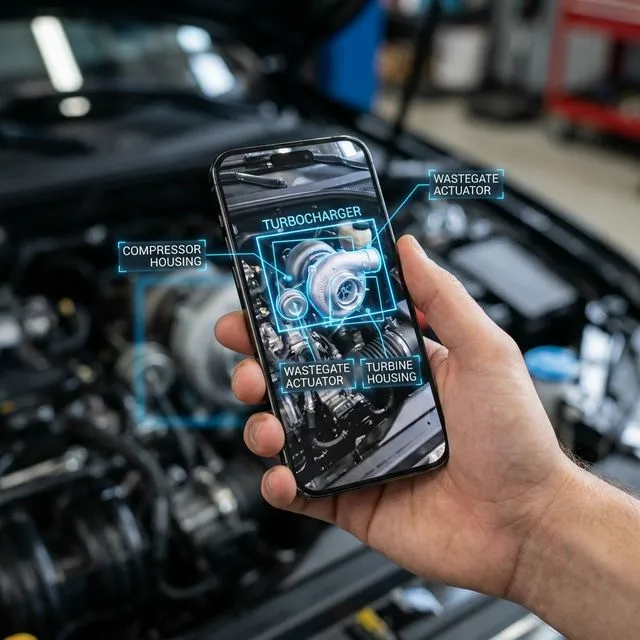
The Ultimate Car Maintenance Checklist 2026: Drive Smarter and Longer
In 2026, your car isn't just a vehicle—it’s a high-performance computer on wheels that keeps a digital ledger of your neglect. Whether you’re steering a silent EV or a classic internal combustion engine, maintenance has evolved from "greasy mechanics" to proactive health management. A "Check Engine" light is no longer a suggestion; it’s a direct hit to your vehicle’s resale value and your bank account.
The secret to zero-downtime driving isn't luck; it's data. If you know how to decode the subtle whispers of your machine, you don't just avoid breakdowns—уou stay ahead of the curve. This isn't your grandfather’s oil change manual. This is the definitive, zero-fluff car maintenance checklist designed for the modern road. Let’s dive into the essential car service schedule that separates the pro drivers from the permanent pedestrians.
Monthly Maintenance: The Simple 10-Minute Walkaround
You don’t need to be a grease monkey to perform the most important checks. Once a month—maybe while you're waiting for the laundry or on a quiet Saturday morning—spend ten minutes doing these simple "vital sign" checks.
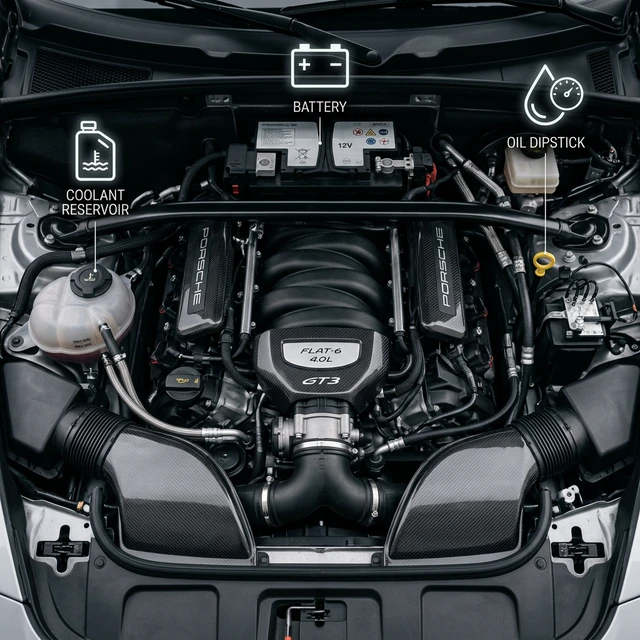
- Fluid Levels: Your car runs on various "bloodlines." Check the engine oil, coolant, and windshield washer fluid. If your car isn't a sealed-system EV, take a peek at the brake and power steering fluids too. Low levels or dark, burnt-smelling oil are early warning signs of leaks or internal wear.
- Tire Pressure and Tread: Tires are the only thing connecting your two-ton machine to the pavement. Under-inflated tires kill your fuel economy and wear out faster. Check the PSI (usually found on a sticker inside the driver’s door) and look for uneven wear.
- Lights and Wipers: Burned-out bulbs are a safety hazard and a magnet for "fix-it" tickets. Check your headlights, brake lights, and turn signals. If your wipers streak or "chatter" across the glass, replace them—visibility is everything.
The Mileage Milestone: 5,000 to 10,000 Mile Service
This is the core of any professional car service schedule. By the time you’ve driven 5,000 miles, several systems have worked hard and need a little love.
Oil and Filter Changes
Even with modern synthetic oils, your engine’s lifeblood gets contaminated by heat and microscopic metal shavings. Don't wait for the light to come on; follow your manufacturer's specific interval. A fresh filter and clean oil act like a reset button for your engine’s longevity.
Tire Rotation
Front tires work harder than rear tires (especially in front-wheel-drive cars) because they handle the steering and most of the braking. Rotating them every 5,000–8,000 miles ensures they wear evenly, extending the life of your expensive set of tires by thousands of miles.
Air Filters
Your engine needs to "breathe" to burn fuel efficiently. A clogged air filter is like trying to run a marathon while wearing a mask. Similarly, replace your cabin air filter annually; it’s the only thing standing between you and the pollen, dust, and ozone of the outside world.
Seasonal Prep: Winter and Summer Survival Guides
Extreme temperatures are the natural enemies of your vehicle.
- Winter Readiness: Cold weather kills weak batteries. If yours is over three years old, get it tested before the first freeze. Check your antifreeze (coolant) concentration and consider switching to winter-grade wiper fluid that won't freeze on your windshield.
- Summer Survival: Heat stresses your cooling system. Check for bulging or soft hoses and ensure your AC is blowing ice-cold. If it feels sluggish, it might need a refrigerant top-up or a new compressor belt.
Modern Tech: Maintaining ADAS and EV Battery Health
If you’re driving a newer vehicle from the 2020s, your car maintenance checklist looks a bit different. Modern cars are rolling computers.
ADAS (Sensors and Cameras)
Advanced Driver-Assistance Systems like lane keep assist and emergency braking rely on cameras behind your windshield and radar sensors in your bumper. If these get dirty, obscured by ice, or misaligned after a minor bump, your car’s safety features can fail or give false warnings. Keep your sensors clean!
EV Battery Longevity
For Electric Vehicles, the "engine" is the battery. To keep it healthy for a decade or more, try to keep your charge between 20% and 80% for daily use. Extreme heat and constant "Fast Charging" can degrade the battery cells faster over time.
How to Identify Failing Parts Without a Degree
Sometimes, you see a part that looks suspicious, but you have no idea what it is. Is that cracked rubber piece a critical belt or just a dust cover?
This is where modern technology makes things effortless. Instead of spending hours Googling "weird black car part," you can use our Auto parts app to identify car parts by photo. Just point your camera at the component, and the app uses AI to recognize the part, tell you its function, and even find the exact OEM replacement for your specific car model.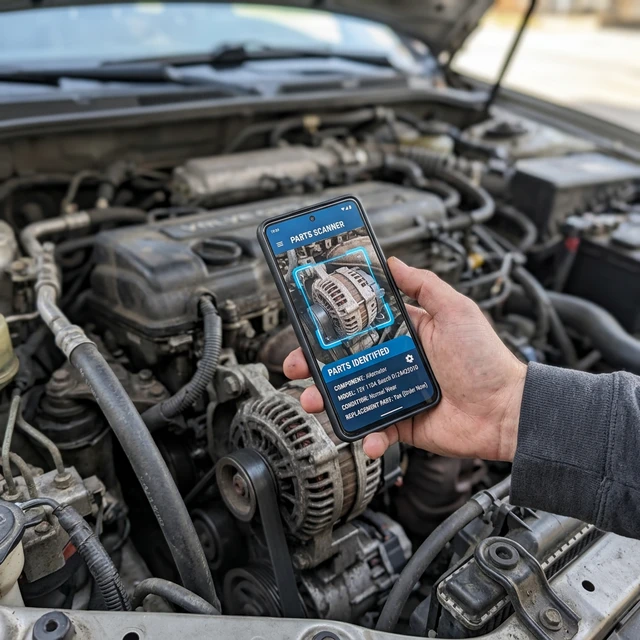
Frequently Asked Questions (FAQ)
1. How often should I truly change my oil?
While 3,000 miles was the old rule, most modern cars using synthetic oil can safely go 7,500 to 10,000 miles. Always check your owner's manual for the definitive answer for your specific engine.
2. Why is my check engine light on if the car drives fine?
It could be something as simple as a loose gas cap or as complex as a failing oxygen sensor. Even if the car feels normal, the computer has detected an emissions or performance fault. Get it scanned ASAP to avoid damaging your catalytic converter.
3. Do electric cars need less maintenance?
Yes and no. They don't need oil changes, spark plugs, or timing belts, but they still require tire rotations, brake fluid flushes, cabin air filters, and cooling system checks for the battery pack.
4. When should I replace my car battery?
Most lead-acid batteries last between 3 and 5 years. Extreme temperatures (both hot and cold) shorten this lifespan. If you notice a slow engine crank or flickering lights, it's time for a test.
Want to make your car maintenance checklist foolproof? Download the Auto parts. Automotive technologies app. It features an integrated AI mechanic to explain dashboard lights and an image search tool that identifies any car part from a single photo. Keep your car running like new with a pro technician in your pocket!

Available in other languages
- enThe Ultimate Car Maintenance Checklist 2026
- ru Полный чек-лист обслуживания автомобиля 2026
- es La guía definitiva de mantenimiento de coche 2026
- fr Le guide ultime de l'entretien automobile 2026
- de Die ultimative Auto-Wartungscheckliste 2026
- it La guida definitiva alla manutenzione auto 2026
- pt O guia definitivo de manutenção de automóveis 2026
- pl Kompletna lista kontrolna konserwacji samochodu 2026
- uk Повний чек-лист обслуговування автомобіля 2026
- tr Kapsamlı Araç Bakım Kontrol Listesi 2026
- sv Den ultimata checklistan för bilunderhåll 2026
- no Den ultimate sjekklisten for bilunderhåll 2026
- hi अंतिम कार रखरखाव चेकलिस्ट 2026
- id Daftar Periksa Perawatan Mobil Terlengkap 2026