Professional Tire Size Calculator
Compare original and target tire sizes, explore safe alternatives, and analyze how your car's performance will change.
Smart Alternatives (±3% Tolerance)
Smaller Rim Diameter
Same Rim Diameter
Larger Diameter (Tuning)
Calculated Metrics
Safe Replacement
Diameter difference is perfectly within safety standards.
Rim Width Selection (J-Parameter)
Rim width is measured in inches (J). Matching the tire width to the correct rim width is essential for a safe contact patch, even wear, and proper handling.
Compatibility Analysis
Safety Limits of Rim Matching
Rim Too Narrow
Sidewalls pull inward, bowing the tread and reducing grip. Causes vague steering and uneven center-tread wear.
Perfect Fit
Maximizes the contact patch and ensures sidewalls are perfectly vertical for optimal support and even wear.
Rim Too Wide
Stretches the tire sidewalls outward. Exposes the rim to curb damage and increases the risk of the tire popping off the bead.
Mastering Tire Selection
Our expert guide to understanding tire specifications and ensuring your vehicle remains safe and efficient after every upgrade.
How to Decode Tire Markings
Every tire carries a coded string that defines its physical limits. Let's break down 205/55 R16 91V as a benchmark:
- 205 — Tire Width: Section width in millimeters.
- 55 — Aspect Ratio: Sidewall height as a % of width (55% of 205mm).
- R — Radial: Radial cord construction for modern passenger cars.
- 16 — Rim Diameter: The required wheel diameter in inches.
- 91V — Load/Speed: Maximum capacity (615kg) and speed (240km/h).
Diameter: The 3% Rule
Automotive engineers design suspension systems around a specific tire diameter. Deviating by more than 3% affects everything from acceleration to the accuracy of your ABS and traction control systems.
Handling vs. Width
Wider tires offer a larger footprint, improving braking and cornering on dry roads. However, they are more prone to "floating" in heavy rain and tend to track along road imperfections (tramlining).
The Speedometer Variance
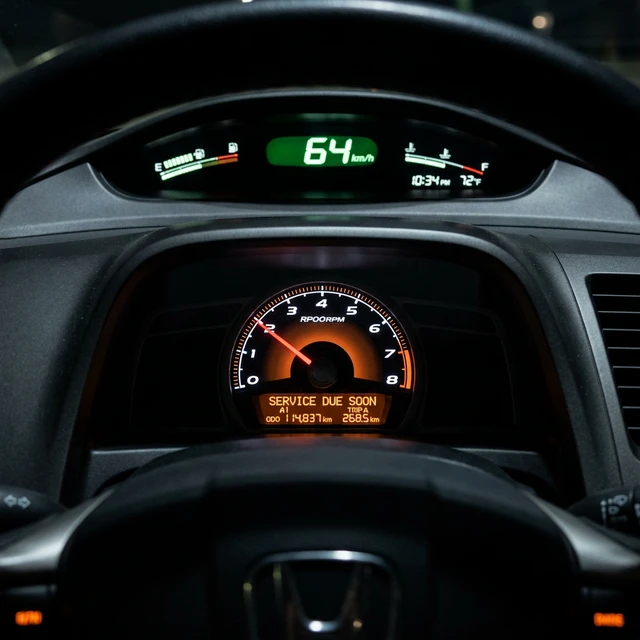
Your car measures speed by counting rotations, not by tracking ground position. If you install taller tires, each rotation covers more distance, but the computer still thinks you're on stock wheels.
Reality check: If your tires are 5% taller, your speedometer will show 100 km/h while you are actually doing 105 km/h. Watch out for speeding traps!
Available in other languages
- enVisual Tire Size Calculator Online
- ru Визуальный шинный калькулятор онлайн: сравнение размеров колес
- es Calculadora visual de neumáticos online: comparador de medidas
- fr Calculateur de taille de pneu en ligne : comparatif visuel
- de Reifenrechner Online: Reifengrößen vergleichen & berechnen
- it Calcolatore pneumatici online: confronto misure e equivalenze
- pt Calculadora visual de pneus online: comparação de tamanhos
- pl Wizualny kalkulator opon online: porównanie rozmiarów kół
- uk Візуальний шинний калькулятор онлайн: порівняння розмірів коліс
- tr Online görsel lastik hesaplama: lastik ölçü karşılaştırma
- sv Visuell däckkalkylator online: jämför däckstorlekar
- no Visuell dekkalkulator på nett: sammenlign dekkstørrelser
- hi ऑनलाइन विज़ुअल टायर आकार कैलकुलेटर: टायर आकारों की तुलना करें
- id Kalkulator Ukuran Ban Visual Online: Bandingkan Ukuran Ban